Accessibility for Disabled Fans
Explore accessibility for disabled fans at football stadiums, including seating, sensory areas, assistive devices, and transportation for an inclusive experience.
The focus on football stadiums in the world has been on providing accessibility to disabled fans. Clubs and event organizers have to make sure that all people can watch matches comfortably. The current stadiums are equipped with ramps, lifts, and seats with wheelchair access to comply with the new requirements of accessibility. Such developments enable the disabled fans to feel appreciated and part of the fun of watching live matches. Equality is also encouraged through accessibility that exhibits that sports are accessible to all people despite their physical disabilities.
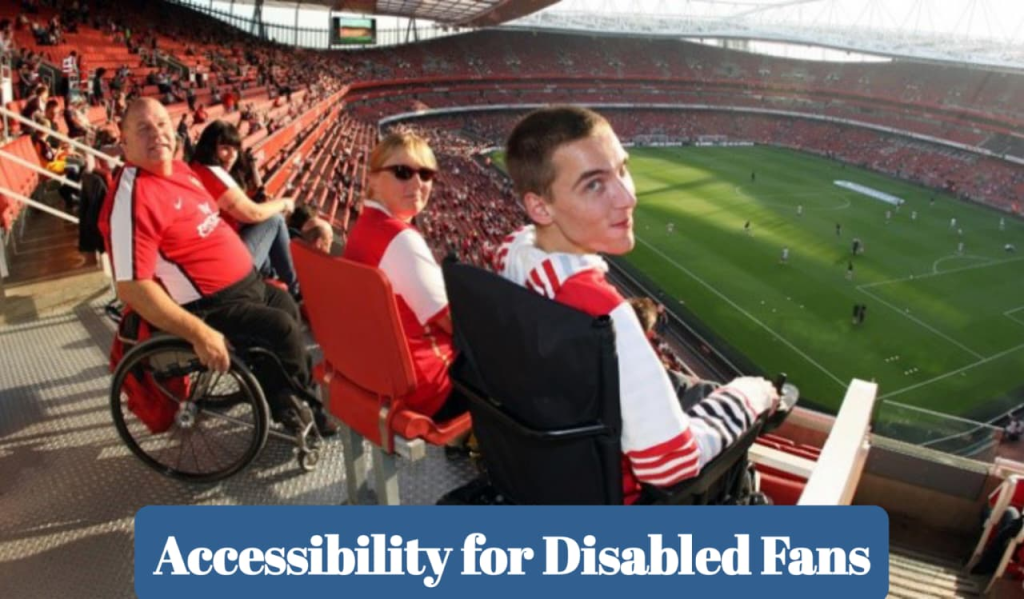
Besides the physical accessibility, most venues have specific services to fans with disabilities. This will involve special parking, sensory rooms, and assisting the individuals in entering and leaving the stadium. Visitors can easily plan since club websites usually contain information on available facilities. The accessibility is also enhanced to enable disabled fans to be accompanied by their families, caregivers, and friends without strain. All these combined make a football experience safe, enjoyable and inclusive.
Wheelchair-Friendly Seating and Ramps
The disabled fans who get to watch the live matches should be provided with wheelchair friendly seating. The stadiums are now providing special places with spacious areas and unhindered views. Entrances and seating levels are also installed with ramps so that movement becomes easy. This is to guarantee the fans in wheelchairs can have a good time watching games without the need of using physical barriers. Stadium management usually performs frequent inspections to ensure the standards of accessibility.

Besides the ramps, elevators and lifts will at times serve higher level seating area. There is also staff support to help the disabled fans to their respective seats. It also has available companion spaces to friends and relatives. Most of the clubs collaborate with the disability organizations to improve the match-day experience. This makes the fans concentrate on the game, rather than on logistic challenges.
Accessible Restrooms and Facilities
The availability of restrooms is important in comforting and making the disabled supporters comfortable. New stadiums have a wider stall, handrails and lower sinks to enable wheelchair users. The restrooms are placed strategically close to available sitting to minimize on the distance travelled. Braille labels and signage also make the fans find their way in the facilities with ease. The availability of facilities proves the inclusiveness.
Besides the toilets, concession stands, merchandise shops and entrances are user friendly. The physically challenged fans will find it easy to purchase food, beverages and merchandise without any hindrance. Portable seats or rest places are also offered by many stadiums to the fans who may have stamina issues. Staff training on a regular basis makes sure that there is someone to assist when required. These services make the experience of the disabled visitors positive.
Sensory-Friendly Areas for Neurodiverse Fans
Other stadiums have sensory-friendly seating where fans with autism or sensory sensitivities can sit. These areas offer a more peaceful atmosphere with no excessive sound and heavy traffic. Seats, lighting, and relaxing areas are comfortable and make fans watch matches without any stress. The employees are trained to support neurodiverse visitors and guide them where necessary. This program will enable every fan to enjoy football in a conducive environment.
Sensory rooms usually contain soft furnishings and screens as well as headphones aimed at decreasing the over-stimulation. These areas are safe to accompany the loved ones by the families. The clubs work with disability experts in designing such spaces. The work of accessibility does not end at physical accommodation but goes on to emotional and sensorial support. This will make football fun to all people regardless of their sensory needs.
Assistive Listening and Visual Aids
Stadiums have now assistive listening devices to the hearing challenged fans. Through these devices, the fans are in a position to hear the announcements, commentary and live events with clarity. Real-time captioning screens are also provided in some venues to make them more accessible. Braille signage and large-print programs are some of the visual aids that allow fans with visual impairments to follow the game. Such efforts make sure that there are no communication obstacles that can deny the fans the opportunity to enjoy the game.
The visually impaired supporters can also access personalized audio guides. There are numerous clubs that offer smartphone applications to have detailed maps of the stadiums and updates on the events. Training of the staff will involve instructions on how to help the fans with these tools. This technological implementation improves the general match-day experience of the disabled fans. Accessibility is not just restricted to the real world of space anymore, but also digital and informational support.
Accessible Transportation and Parking
General transportation is a necessity to the disabled fans who come to stadiums. The commuting is facilitated by the presence of shuttle services, drop-off points and buses that are wheelchair accessible. Visitors with disabilities are allocated parking space close to entrances. Fans are usually accommodated by having priority seating and ramps in the public transport services. This infrastructure will minimize stress and enable the fans to enjoy the match.
Clubs work with local authorities to make sure that the ways to stadiums are open. There are also some places that have comprehensive driver and passenger guides to people with mobility difficulties. The transportation personnel is trained to offer help where necessary. There would be accessibility planning concerning emergency exits and alternative routes in the case of disruptions. Good transportation is a factor that makes the football experience a smooth and pleasant one to everyone.
Staff Training and Awareness Programs
Disability training is essential to ensure the accessibility of disabled fans. The employees are also informed of the various disabilities and how they should offer help. The personnel are trained on how to assist wheelchair users, those with neurodiverse needs, and effective communication with the visually or hearing impaired guests. Ongoing workshops and simulations make the staff competent and confident. Professionally trained employees enhance the general safety and comfort in the stadium.
Disability etiquette is also taught through awareness programs to volunteers and security personnel. This involves the knowledge of the personal requirements and consideration of personal space. Training programs are usually developed by using feedback provided by disabled fans. The values of empathy, patience, and inclusiveness are considered to be the key values by the clubs. Successful training will make sure that stadiums are friendly and accommodative to all fans.
FAQs
Final Thoughts
The accessibility of disabled fans is a necessary element of football today. The stadiums all over the world are being transformed to make sure that physical, sensory and communication requirements are well accommodated. Wheelchair-accessible seats and bathrooms, sensory rooms, assistive technology, and employee education are examples of all these measures that enhance the fan experience.
Such initiatives show that football is not exclusive and fun to all. With increased awareness, accessibility will keep on being improved, where all supporters can find a safe and friendly environment in more and more clubs.