Crowd Pressure Psychology Explained
Learn Crowd Pressure Psychology in football, including focus, resilience, emotional control, visualization, and strategies to perform under intense stadium pressure.
The crowd pressure has a significant impact on the performance of players in football. Thousands of people can become extremely stressful, raise the levels of boos and cheers, and affect decision-making. Learning the psychology of crowd pressure also enables the players to stay calm and concentrate as well as be consistent in their performance. By training athletes, teams teach them how to cope with external stimuli so that they can perform skills in spite of the intensity of the atmospheres in stadiums.
There is a lot of arousal during matches and this affects performance in either a positive or negative way to players. The psychological reaction to the crowd behavior is anxiety management, concentration, and emotional control. Coaches combine mind drills and simulators to train athletes. Learning the psychology of crowd pressure, players will be able to play and succeed in both friendly and unfriendly conditions in competitive football.
Understanding Crowd Pressure
Crowd Pressure Psychology of the spectators at matches is the pressure of the crowd. Players feel that they are being assessed socially, expected and scrutinized, and this may cause stress. This pressure affects attention, decision and confidence. The knowledge on how energy of fans influences the arousal levels is necessary to train athletes to stay calm and perform skills under a high level of scrutiny.
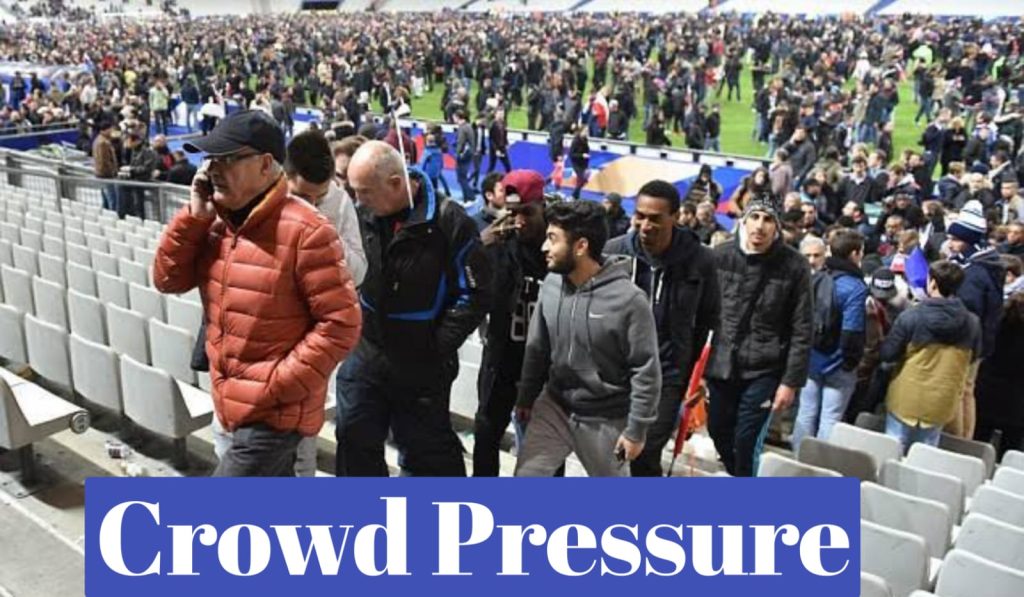
Players may be inspired by the crowd or even threatened. High arousal can boost performance to skilled individuals and it can overwhelm less trained sportsmen. Coaches focus on the awareness, preparation, and coping strategies. Through awareness of crowd effects, players can be taught to control emotions, redirect energy in a positive way, and maintain performance in high pressure football scenarios.
Physiological Responses
Physiological effects of crowd pressure include heart rate and adrenaline bursts and muscle tension. Such reactions can help in the narrowing of focus but they can also lead to the loss of fine motor skills and judgment. These reactions are predictable and a player can have coping mechanisms to ensure that they perform optimally during a high-intensity game.
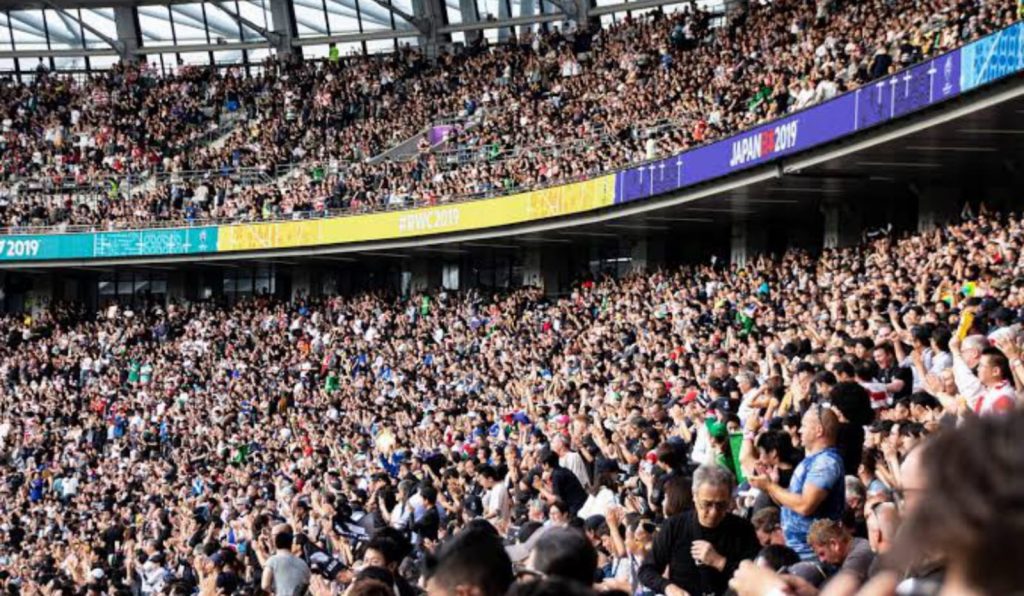
Physiological stress is mitigated by the mental and physical training. Arousal can be controlled by breathing exercises, visualizations and pre-match routines. Practice Teams The teams introduce athletes to high-pressure, noisy environments that they learn to survive in. Physiological management is very important in maintaining performance in the presence of pressure induced by crowds during competitive football games.
Mental Toughness Development
Mental toughness helps players to play under pressure of the crowd. The cultivation of resilience, confidence and focus helps athletes to be able to implement strategies even in the face of external distraction. Routine practices and psychological workouts are effective in enhancing coping strategies that will enable players to effectively cope with any stressful situations in hostile or overwhelming stadium atmosphere.
Mental toughness is built up by teams practicing and simulating. Being subjected to crowd like stimuli, competitive situations and pressure situations educate the players to stay calm. It is this psychological strength that enables the athletes to sustain their performance levels, make sound judgments, and transform stress created by crowds into a driving force in the field.
Focus and Concentration Techniques
It is important to be able to stay focused in the middle of the crowd. Routines, visualization, and mindfulness help players to be distracted and concentrate on their roles. The level of attention is high, which means that we will have accuracy in all our actions, tactical awareness, and the speed of reaction, which will minimize any errors that might be caused by external stimuli when it matters the most in the game.
Coaches combine the concentration exercises with the artificial crowd noise. Athletes train their ability to make decisions when there is pressure, and they are able to stay focused in spite of distractions. High concentration allows players to play at a steady level and without fear, transforming what could be stressful situations into ones that can be easily handled, enhancing the overall performance of a player under the eyes of the spectators.
Confidence Under Scrutiny
Confidence protects the players against the adverse consequences of crowd pressure. The confidence in abilities and training enables an athlete to make decisions without considering the judgment of others. The confidence will decrease the likelihood of hesitation and the rate of errors, as well as allow the performance to proceed in a consistent manner with high expectations and scrutiny on the part of fans.
both goalkeepers and attackers enjoy the confidence of crowded stadiums. Belief is established with the aid of positive reinforcement, mental rehearsal, and past performance reflection. Through teams, players are trained to trust in self-efficacy and not in external judgment. High confidence will guarantee concentration, calmness, and efficiency even in aggressive or a stressful football game.
Emotional Regulation
Pressure in crowds usually leads to frustration, tension, or hyperactivity. Controlled breathing and mindfulness are some of the techniques used to control the emotional state of the players. Dealing with emotions helps to make rational choices and minimise impulsive mistakes under the control of spectators and maintain the quality of performance in difficult circumstances.
Gamers train to recognize emotional triggers and use measures to balance reactions. Balancing will help to avoid the negative spirals when there are errors or incitations. The emotional regulation improves team cohesion as well since relaxed athletes contribute to the teammates. Well-developed emotional control is one of the pillars of working under high crowd pressure.
Coping with Hostile Crowds
Unfriendly audiences lead to more pressure on the psyche, which may influence focus and self-esteem. Players are taught to take hostile behavior in a detached way where they concentrate on the aspects that they can control such as position, technique and teamwork. A redefinition of pressure as motivation assists the sportspeople to accomplish good results, even in the face of resistance energy and negativity.
Training sessions by coaches are done in hostile conditions to familiarize players. Exposure enables the athletes to devise ways of focusing on the distractions to be forgotten. Mental rehearsal, resilience, and tactical clarity make players prepared to play on a constant basis to transform the crowd pressure which can be disruptive into manageable and motivational factors on the field.
Leadership and Team Support
Team leaders are crucial to the prevention of the effects of crowd pressure. The captains and senior players lead the teammates, boost their morale, and focus on the games in times of high pressure. The leadership guarantees communication, shared confidence and calmness, which improves the overall performance of the team regardless of the high level of scrutiny of the spectator.
Psychological stability is also brought about by supportive teammates. These elements are encouragement, trust, and coordination, which decrease the stress of an individual, fostering the continuity of tactical implementation. The collective resilience of teams that benefit through internal leadership and support enables them to overcome difficult environments and achieve optimal performance in the pressure of crowds.
Visualization and Mental Rehearsal
Visualization also prepares players to take pressure of crowds through mental simulation of situations of matches in the presence of crowds. Visualizing distractions, stressful decision-making and positive execution enhance confidence and psychological preparation. Training is a mind exercise that mimics difficulties and thus an athlete is less anxious when playing a game, hence he/she will be able to react without being affected by the crowd.
Mental rehearsal may also be used to predict situations of high pressure such as set-pieces, tackles, or even scoring opportunities. Players train reactions, tactics and concentration beforehand. Visualization is combined with physical training, which coaches use to support coping strategies. Mental rehearsal enhances uniformity, self-assurance, and strength in stadium situations of high pressure.
Feedback and Reflection
Post match reflection makes the players aware of the effects of crowd pressure on performance. Going over decisions, emotional reactions, and concentration patterns point out the strengths and areas of improvement. Positive feedback leads to development as it makes the athletes acclimatize to future games in the same setting.
Video analysis and psychological debriefs are methods used in teams to assess the responses to the crowd stimuli. The players are taught to change habits, manage emotions and improve attention. Reflective practice is beneficial to the mental resilience so that the crowd pressure can be a managed factor instead of an obstacle in future competitive matches.
FAQs
Final Thoughts
The psychology of crowd pressure influences the performance of players in a high stakes football match. Knowing how to arouse, focus, and manage emotions lead to uniform performance. Mental toughness, routines, visualization, and leadership assist athletes to turn the crowd energy into motivation, stay calm, confident, and tactical during the intense stadium environments.
Crowd pressure strategy teams are more reliable in both favorable and unfavorable environments. The players are prepared, reflected on and trained on resilience to enable them to maintain performance. The psychological aspect of the crowd pressure should be implemented in training to maximize the results, transforming the complicated spectator relationships into a controlled and even positive part of competitive football.