Media Hype vs Actual Performance: Football Stars and Reality
Explore how media hype differs from actual performance in football, showing why preparation, teamwork, and consistency outperform exaggerated expectations.
Media hype strongly shapes football perceptions, often creating inflated expectations around players, teams, and entire tournaments. Narratives, social media buzz, and high-profile transfers capture the attention of fans, pundits, and sponsors alike. While hype builds excitement, it rarely reflects reality. True performance depends on strategy, physical fitness, mental resilience, and teamwork. This gap between hype and actual results contributes to football’s unpredictability, a factor that will be magnified in the FIFA World Cup 2026.
The media tends to shine the spotlight on star players creating high expectations in the minds of the people. Hype exaggerates perceived skills and puts pressure on people to perform outstandingly. In the meantime, fans are left to evaluate teams according to their reputation as opposed to quantifiable measures. This forms a loophole between anticipations and outcomes, which causes disappointment when the performances do not respond to the media-fueled storylines in high-stakes tournaments.
Causes of Media Hype
Sensational reporting, fan following and commercial interests contribute to media hype. Transfers, star signings and record fees take over the news and they make up stories that can overvalue capabilities. The emphasis on personal accomplishments rather than on teamwork, the focus on entertainment and readership introduced by pundits and journalists may lead to false expectations of individual players and the performance of the whole team in the course of the competitive match.
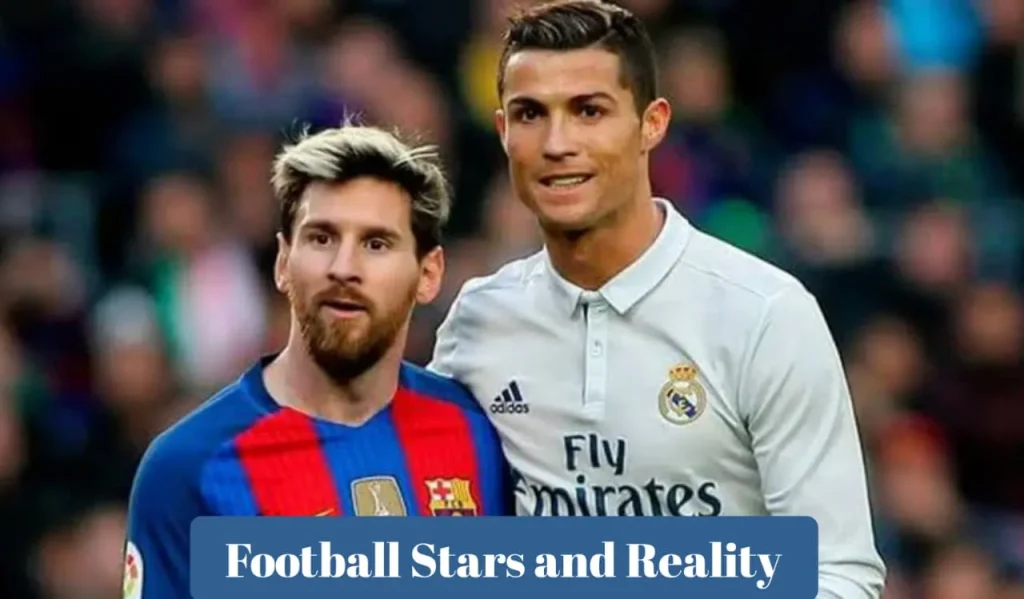
Social media enhances hype by promoting viral content and highlights as well as discussion forums. Perceived strengths and weaknesses are often overstated in memes, polls and commentary by influencers. This exaggeration puts pressure on overrated players and devalues the underrated players. The difference between perception and reality usually surprises the fans and this indicates why the pre-tournament media coverage cannot be used to determine the actual performance.
Effects on Players
Media hype may have a positive effect on players by increasing confidence, recognition and market worth. Focus can encourage certain stars to show better performances to be more focused and energetic during the matches. Psychological reinforcement is also offered by hype, which enables high profile players to accept responsibility, motivate other players and take the lead in the field. Media coverage when well handled can be used as an aid to performance.
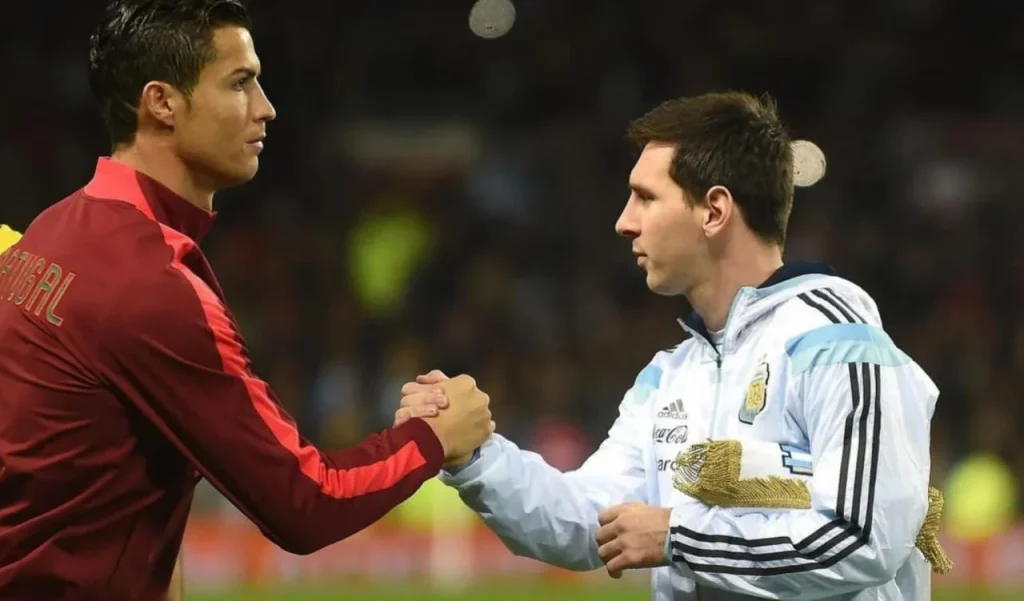
But too much attention is stressful, pressurizes and creates scrutiny. Players can think too much in making decisions or be risk-averse or get anxious in matches. Bad media news increases errors, leading to confidence loss. Impractical demands by fans and pundits can overwhelm gifted people, proving that hype is a two-sided sword that can bring down performance in case it is not handled properly.
Effects on Teams
When the media emphasis is on star players, teams are the indirect victims of this kind of media hype. The hyped squads are expected to take control of matches. The excessive focus on individuals may lead to imbalance and thus the team becomes either predictable or reliant on some players. The media stories tend to minimize the importance of teamwork and focus more on cohesion, tactical discipline and adaptability that are essential in the performance of a team in the tournaments.
Hyped players then make internal pressure build up. The members of the team can be over-dependent on the star players, which restricts team effort. This may affect the harmony in the squad, tactical arrangement and morale. The teams that are cohesive in their internal aspects and not in the media expectations are consistent. Effective teams have the ability to reconcile between hype management and teamwork whereby performance is not predetermined by over-rated external accounts.
Reality on the Pitch
Real performance is reliant on training, strategies, athleticism and mental strength. Teams and players are challenged by physical issues, tactical challenges, and conditions of the match which are not predictable by hype. Underestimated players usually get better than they are supposed to, whereas overrated stars can fail because of pressure, exhaustion or tactical restrictions. Reality can be measured; hype is perception based and mostly inaccurate.
Results are determined by performance measures, communication and teamwork. Media hype can raise the focus and expectations, but cannot regulate results. Those players who focus on preparation and execution, instead of reputation, will always perform better than their hyped counterparts, and this is a testament to the fact that real performance is dependent on something that can be controlled, and not what the world thinks about them.
Case Studies of Media Hype
History shows that media hype has not always been in line with performance. Neymar, Gareth Bale and Mario Balotelli were under tremendous expectations and could not deliver as per the expectations. Outside influence and strategic reliance influenced performance through talent. Hype did not indicate success in the tournament alone, and this indicated that media narratives tend to overestimate perceived influence of star players.
On the other hand, such players as Luka Modrić and N’Golo Kanté did not get much attention at first but performed brilliantly. Teams that had balance, cohesion and preparation did better than favorites that were driven by hype. These instances underscore the disparity between perception and reality as well as teamwork, strategy and mental toughness over the high profile media expectations in football tournaments.
Psychological Impact
Media hype affects the players psychologically because of pressure to play well. Excessive expectations can also be the cause of anxiety, overthinking, or safe play. Mistakes are exaggerated by hype and being under constant scrutiny may destroy confidence. It is necessary to remain emotionally stable to be able to control attention and play at an elevated level in situations of high competition in tournaments.
To fans, hype is a perception shaper and it forms unrealistic expectations. Failure by players or teams that are over hyped attract criticism and disappointment. The teams and individuals have to deal with the internal focus instead of the outside stories to be successful. This is because it is important to control psychological reactions to hype in order to maintain a steady flow of performance and prevent errors that are brought about by the pressure.
Managing Media Hype
Players can deal with hype by following the preparation, routines, and internal team goals. Disregarding external accounts makes sure that the focus is on strategies, physical condition, and psychological preparedness. Even internal communication is balanced, which minimizes the dependency on the perception of the populace. Attention management teams are effective teams that perform well even when there is media pressure and expectations.
Media training also equips players with how to deal with scrutiny and criticism. Knowing that hype is not a determinant of results enables stars to remain focused. Teams that focus on internal metrics and not the opinions of the people are effective in comparison to those that are affected majorly by the media narratives. Mental strength, training, and preparation minimise distractions caused by hype in highly contested tournaments.
Squad vs Star Focus
Groups that work as a team are better than groups whose members are hyped individuals. Collective responsibility helps to offload the star players, enhances tactical flexibility and also fosters consistency. Amicable collaboration will see that everyone contributes and this will see a cohesive performance even in cases where the stars of the team are not performing well.
The dependence on hyped people may lead to negative outcomes. Fatigue, injuries or off days undermine performance and destabilize the squad. Teams that emphasize teamwork share responsibilities, cohesion and maximize output. The harmony and inner concentration are always more effective than the hype-related anticipations, which proves that partnership is more important than celebrity in the tournaments.
FAQs
Final Thoughts
Media hype affects the perception but not performance. Teams and players, which are oriented on preparation, discipline, and internal cohesion always perform well regardless of the fantasized tales. This difference would explain why results and expectations usually vary in football tournaments.
Personal genius is valued, yet the only path to success is the group work and psychological strength. Effective teams in charge of the hype remain consistent, tactical, and operate at their optimum levels. Success on the pitch is always eventually determined by reality and not by media narratives.