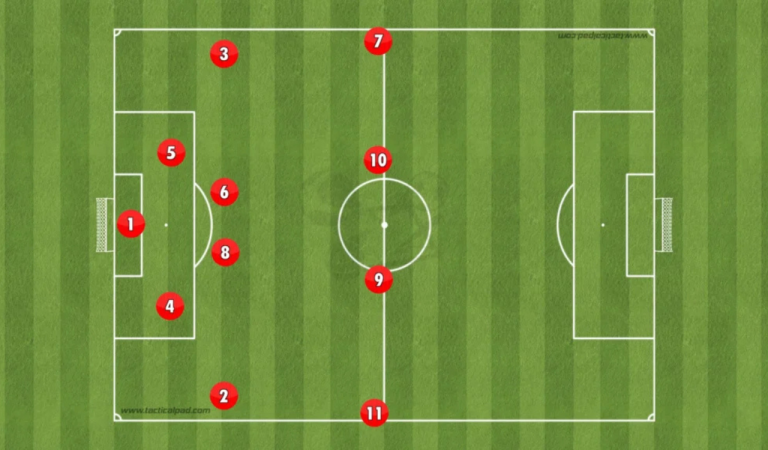
Home crowd advantage for host teams
Home crowd advantage for host teams, raising player morale, affecting referees, and improving performance in group stages and knockout matches.
The effect of home crowd advantage on the host teams during an international tournament such as FIFA 2026 can be measured. Knowledge of the stadiums, the weather conditions in the area and elimination of travel fatigue contribute to performance with the added advantage of passionate supporters. The audiences offer psychic support to the players to build momentum. This is a strong point that is well exploited by teams and coaches to take points in group stages and knockout matches.
The crowd support also impacts the referee decision and team confidence. Violent cheering, slogans, and conspicuous banners create the energy that can scare the competitors away. The cultural portrayal of home fans brings a home-like environment, which lessens anxiety amongst host players. This is enhanced by both strategic planning, organization of stadiums and fan interaction leading to performance consistency of host teams and a possible success in the FIFA 2026 tournament.
Psychological Boost for Players
Home crowds generate emotional power that make the players more motivated and focused. Cheering fans give positive reinforcement which boosts confidence, making it less anxiety-inducing when there is critical performance. The players usually feel encouraged to take risks and make decisions and that is why they feel supported in decision making. This mental boost is especially beneficial when it comes to close calls in contests where FIFA 2026 is decided by the length of the competition.
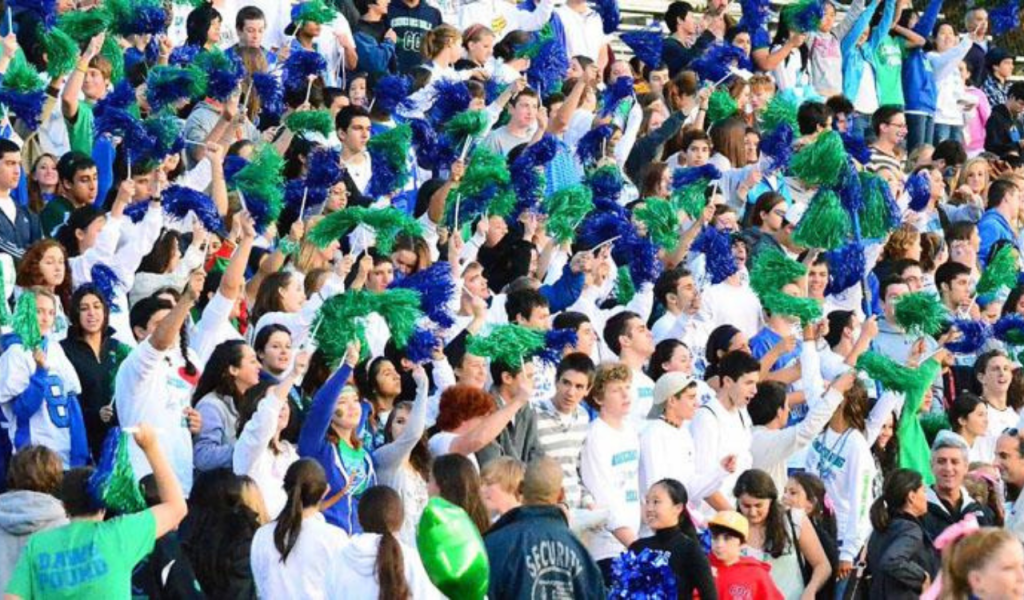
The support of the crowd also makes them confident, hence, players recover easily after making mistakes. The intense crowd removes the fear of going wrong and allows the tactical implementation to be smoother. Players complain that they enjoy and feel more involved when they play in front of home crowds. Coaches track psychological influence to utilize the momentum and maintain high intensity performance during the games.
Influence on Referees
Studies reveal that the fanatical home fans are potential sublimers of referees since they are loud and biased. The phenomenon of crowd pressure can produce a positive decision, e.g. being lenient in foul decisions, offside decisions. Host teams are also the indirect beneficiaries because referees are affected with their split-second decision that is contributed to the overall performance in FIFA 2026 competitive games.
This effect is more vivid when it comes to such crucial situations as penalty calls or fouls at the end of the game. The power of the crowd can lead to referee warning on behalf of the hosts, influencing the results of matches. Teams utilize the perceived influence of fans through fan proximity and vocal support in order to achieve maximum perceived authority. The knowledge of this dynamic enables coaches to train players psychologically on situations involving officiating.
Familiarity with Stadiums
The local teams possess all the information about the condition of the stadiums, pitch and the weather patterns. Tactical strategy, movement and energy conservation is best suited when you know one another. Home stadium training modes will ensure that they will be accustomed to the kind of grass, size and lighting which will create a tangible advantage to FIFA 2026.
This acquaintance also lowers environmental stress on players. The teams will be able to plan out hydration, warm-ups, and tactical routines. The knowledge of local situations also reduces a sudden problem, and home players are able to stay focused, consistent, and fit in the course of the tournaments. Host team appropriateness is a factor that enhances technical accuracy and psychological ease among stadiums.
Travel and Fatigue Advantage
Host teams also do not have to travel long distances in other countries, experience jet lag and acclimatization problems as a visiting teams. The decreased fatigue increases of physical performance, reaction speed, and recovery. Players keep up to normal schedules of routines, diet, and rest. This energy saving enables greater intensity, continuous pressing and decision making during FIFA 2026 matches.
Mental preparedness is also enhanced by avoiding stress related to traveling. Players have reduced anxiety and attention. Coach training guarantees maximum nutrition, sleep, and strategy analysis. The reduction of disruptions is also useful in helping host teams to perform consistently, which provides them with a physical advantage compared to the rest of the teams, who need to adapt to foreign conditions, time zones, and new logistical setups.
Communication Benefits
Home environments contribute to the improvement of the communication both on and off the field. Players are well familiar with stadium sound, crowd sounds and recognizing signals. Nonverbal and verbal cues are superior and improve coordination and responsiveness in the playing field. These advantages are helpful in helping host teams to finalize complex tactical planning effective in FIFA 2026 games.
The transmission of coaching instructions is better without any distortion by strange acoustics. Interactions between of the players become instinctive and signals and positioning are recognized quickly. Less miscommunication increases the accuracy of passing, the defensive structure, and offensive coordination. Acoustic and visual signals are also known to play a vital role in ensuring consistency in performance of host teams.
Supporter Coordination and Choreography
Home supporters frequently organize slogans, flags, and images which bring life to the players and develop threatening atmospheres against their rivals. Supporter actions that have been planned in advance intensify the atmosphere of the stadium and boost morale. Such group passion creates some psychological advantage that brings cohesion and unity among host team members in high-pressure matches in FIFA 2026.
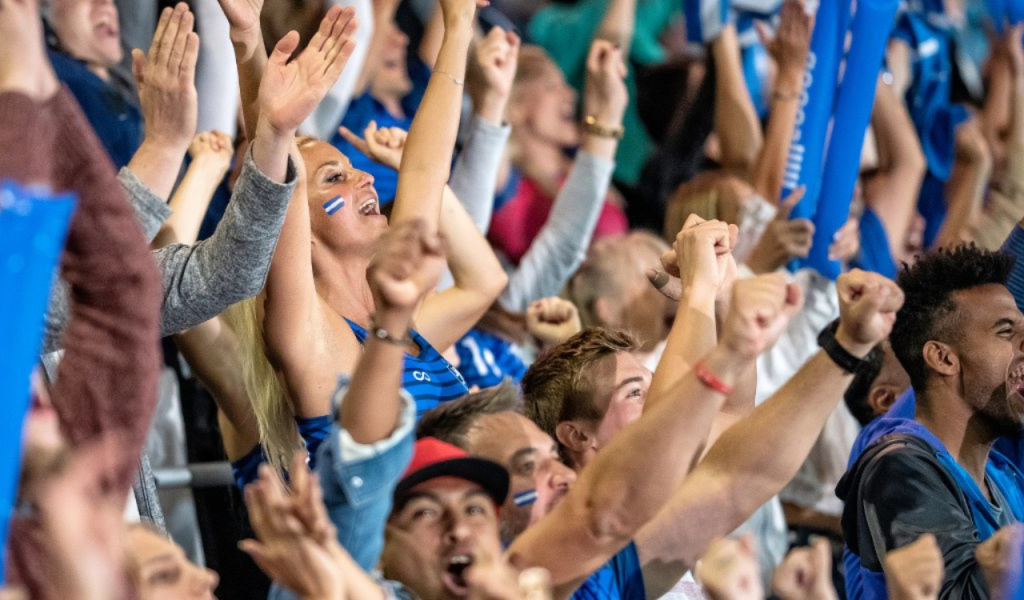
Organized fan shows will also interfere with the concentration of visiting teams. Sensory stimulation is developed by flags, drums and rhythmical clapping that can disturb opponents. The tactical approach of the management to the groups of supporters will guarantee the reinforcement of goodwill to the hosts with the least chances of chaos. Home advantage effect is multiplied when fans use choreography in the game during critical situations.
Cultural Familiarity
Home based tourism helps the teams to play in the settings they are familiar with. Comfort and stability are brought about by traditions, rituals, language and food. Players are not that stressed culturally, they are also still interested in tactics and teamwork. This advantage will also serve in the overall mental and physical performance, particularly FIFA 2026 matches which have a high level of competition.
The familiarity with the culture also improves contact with media, fans, and the local authorities. Players follow routines with effectiveness and reduced distractions. Belonging and motivation are supported by emotional support of the culturally aligned spectators. Being aware of such cultural factors and knowing how to make the most out of them can help coaches to maximize the impact of home crowds to their benefit both psychologically and performance-wise.
Economic and Logistical Support
The host teams possess superior logistical facilities consisting of training facilities, transport coordination, and stadium facilities. Reduced travelling and reduction of schedules optimize effectiveness of preparation. Players are also driven by the financial support provided by fans in the form of tickets, merchandise and even sponsorship that will give the players home advantage whenever FIFA 2026 events take place in their home.
Increased infrastructure guarantees availability of recovery, medical and nutritional resources. The teams are able to plan on how to best rest, engage in rehabilitation, and hold tactical analysis without being interrupted. Communication among the staff, local government, and management of the team strengthens efficiency. Such a combination of logistical and economic assistance enables the host players to achieve the optimum level of performance at all times.
Historical Performance Trends
In the past, host teams always perform better during the world cups and can make great progress in group and knock out rounds. Win percentages are associated with crowd support, familiar conditions and less fatigue. This trend is expected to be repeated by FIFA 2026, where the home advantage is rated as influential to the result, media coverage, and fan reactions.
Statistical evidence exists in previous tournaments of home teams increases in goal-scoring, defensive stability, and speed of play. Players become psychologically strong and opponents are exposed to increased pressure. Historical analysis informs the coaching strategies, planning fan engagement, and expectation management through the specific advantages host teams will receive as a result of being in familiar environments and having supportive crowds.
FAQs About Home crowd advantage for host teams
Final Thoughts
Home crowd advantage is another factor that is very crucial to FIFA 2026 success. Crowdsourcing, recognition of cultural comfort, familiar stadiums, and mitigated travel fatigue are the elements that lead to physical and psychological advantages. This effect can be used by teams in terms of strategic planning, fan engagement and logistical preparation to enhance the consistency of performance, morale, and competitiveness and utilize the full extent of host nation potential when it comes to high-stakes matches.
Home advantage does not only affect performance. The confidence of players, tactical play and energy of fans come together to form some special experiences in stadiums. Knowing the historical trends, capitalizing on the coordination of the supporters, and exploiting experiences in new surroundings are beneficial in ensuring that the host teams remain on track. FIFA 2026 provides an opportunity to reveal this benefit and proves the quantifiable impact of fans on the results of competitions and the plots of tournaments.