Injuries Affecting Qualification Teams
In-depth analysis of how key player injuries affecting qualification Teams, strategies, morale, and team performance across major regions.
Injuries are among the most serious challenges faced by national teams during FIFA qualification campaigns. With constant international travel, demanding domestic leagues, and congested schedules, player fatigue increases the risk of physical setbacks. In the context of FIFA World Cup 2026 qualifiers, losing a key player can instantly affect tactics, creativity, and squad morale. Injuries disrupt continuity and cohesion, forcing coaches to adjust strategies mid-campaign. Such setbacks often play a decisive role in shaping qualification outcomes.
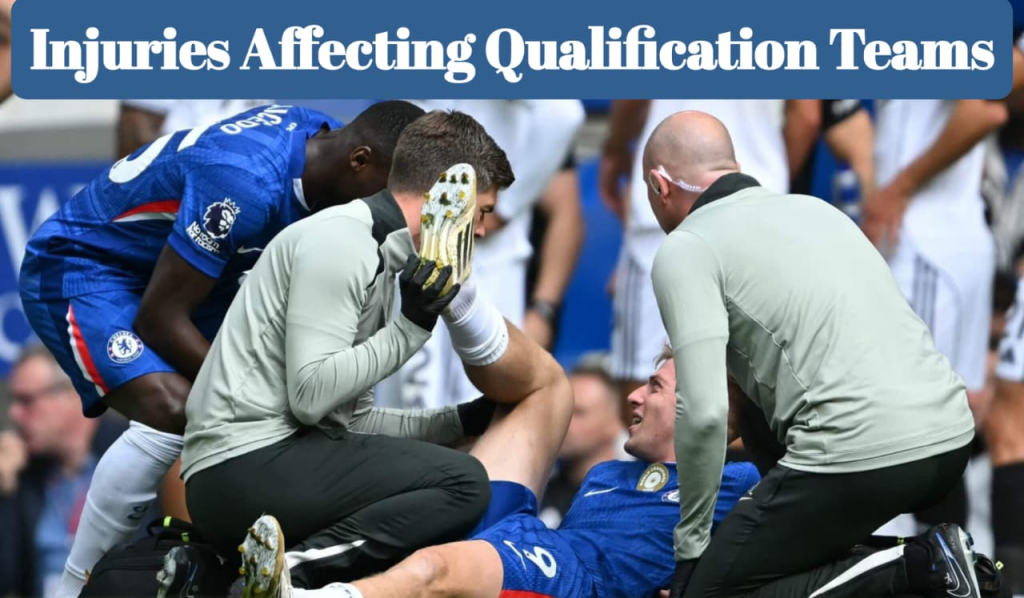
This influence of injuries is even more significant in qualification due to a limitation in the number of squads and the fact that a replacement can be of inferior quality. Coaches are often required to make up and rely on the less experienced players to play in the high-pressure matches. When injuries add up, teams fail to be consistent in a series of matches. The fans also experience uncertainty because they wonder whether their star players will come back in time to play significant games. Injuries in most instances alter the destiny of a group of qualifications completely.
Impact of Key Player Absences
The absence of key players can completely change the whole dynamics of a qualification campaign. Most of the national teams depend on certain players to provide leadership, creativity or to score goals. In their absence, there is a tendency of reduced performance levels and rivals can exploit the vulnerable systems. The psychological effect on the teammates can be also observed as the confidence can decline in the absence of star players. Such change has an impact on individual exhibitions and group identity.
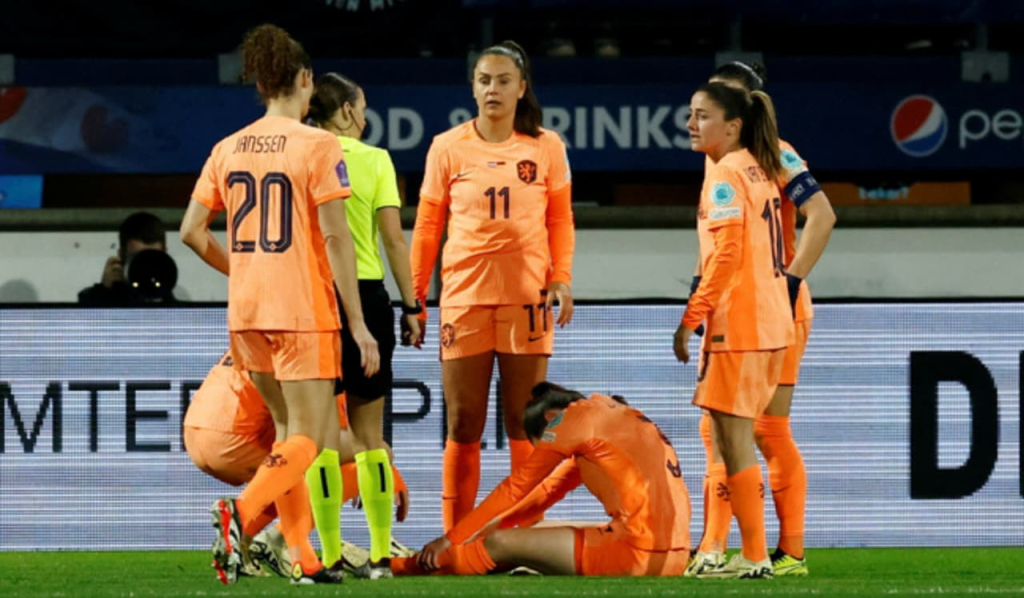
Teams are also made more predictable in their tactical approach when key players are not available. The opponents study the weak areas and strategize on them. A national team will also lose its rhythm in attack without a significant goal-danger or a midfield orchestrator. In their absence, defensive leaders put the team at the mercy of pressure at critical points in the matches. Such cases demonstrate the reliance of some countries on specific people.
UEFA – European Teams Hit by Injuries
European qualification always makes big players stand aside as a result of hectic schedules and overworking of fixtures. Countries such as France, Spain and England are known to miss several starting players simultaneously in qualifiers. Such absences compel managers to go deep into their teams, which offer young talents a chance. Although this can occasionally bring about new stars, it can also create inconsistency when the games are tough in the group. Defensive and midfield balance usually changes when the experienced players are not available.
The strategic problems of living with injuries are even more evident in narrow UEFA teams. Minor point differences imply that one poor performance can alter the qualification positions. Coaches are under pressure when making decisions which are risky and pragmatic at the same time. Injuries also reveal the squad depth and quality of player development among the various national programs. The broader the depth of teams the better they survive and the smaller the countries the worse they suffer.
CONMEBOL – South America and the Injury Burden
The qualification to CONMEBOL has been characterized by tough physical battles, a lot of travelling, and poor playing conditions. These situations add the physical burden on the players leading to greater fatigue and muscle related injuries. Key players such as Brazil and Argentina tend to lose first-choice players throughout the cycle, which has an impact on rhythm and combinations. The fixtures in South America require high intensity and lack of stars may result in difficult matches even with smaller countries. The overlapping of rehabilitation with club duty also makes it difficult to have a player available.
Even the smaller South American teams are hit harder by injuries. Without strong squads, the loss of a single key defender or midfielder may alter their competitiveness completely. The coaches are forced to restructure systems in a short period of time and depend on the domestic players or less experienced players. This diminution of quality is more noticeable when compared to top-tier opponents who do not decline in quality even when rotating. The South American qualification campaign is characterized by unpredictability of the injuries, which makes the process dramatic.
CAF – Injuries to African Qualification
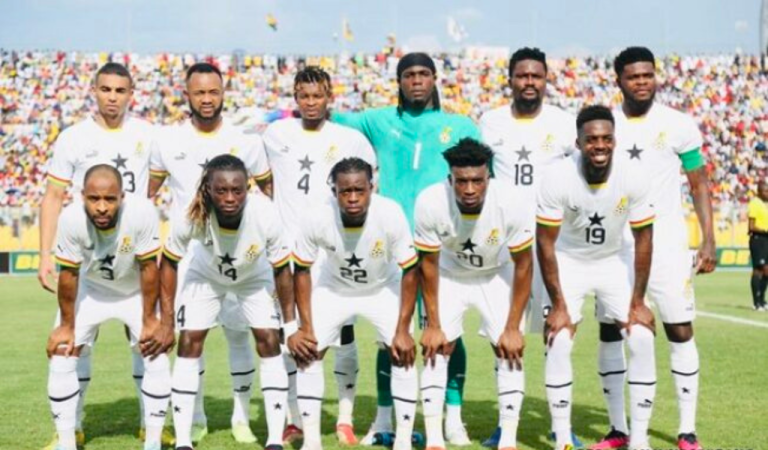
African qualification has been characterized by a lengthy travel time, climatic conditions and matches being played on different pitch conditions. This situation makes the players more tired, particularly when they play in the European leagues. In case of injuries, African national teams often lose their experienced players who introduce foreign tactical training and experience. These losses have an influence on both attacking build-up and defensive composure balance. Teams need to make quick changes, and not always with sufficient time.
The richness of the bench choices differs greatly in the African countries. Nations such as Senegal or Morocco manage injuries by using the well-tuned talent pipelines, whereas smaller sides cannot. Absences caused by injuries also lead to lack of leadership in the field especially during high-stakes matches. The qualification groups in Africa are usually intensely fought and therefore any absent player affects the outcome. These forces make injuries one of the biggest plots during CAF campaigns.
Injuries- Asian Qualification
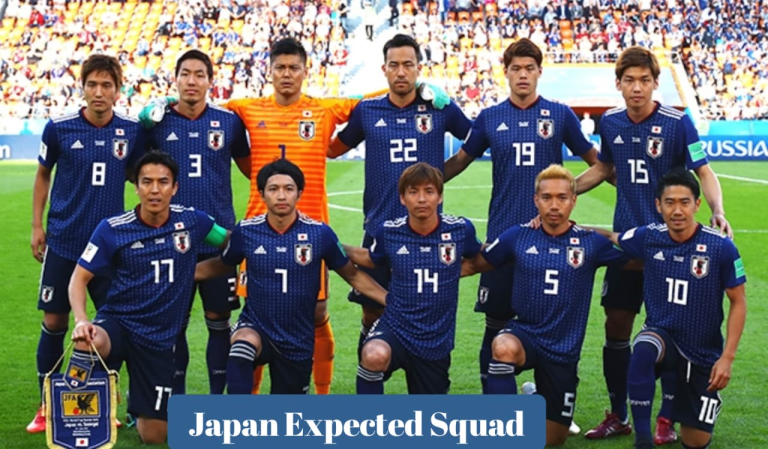
Asian qualification has become more competitive in the sense that injuries have more impacts on the majority of the teams. Countries such as Japan, South Korea and Australia rely on a number of European based players whose commitments to the clubs increase the fatigue levels. In the absence of key figures, it becomes hard to implement tactical transitions and pressing structures. The lack of midfield cohesion is also caused by the absence of the primary playmakers. Local talent has to be utilized to fill gaps in the teams, and the whole tactical approach may have to be changed.
Even earlier in the qualification cycles, smaller Asian teams tend to experience the impact of injuries. The loss of a single powerful center-back or forward has a devastating impact on their competitive advantage. Tactical fluidity is reduced and enemies have increased space and time on the ball. Coaches have to use discipline and defensive compactness to survive the injured periods. To most of the teams of the AFC, it is more about injury prevention than winning games.
CONCACAF – Effects on North American and Caribbean Nations
The CONCACAF qualification is a combination of long distance travel, climate inconsistency, and narrow scheduling. These issues make muscles more tired and lead to the injury of players during the critical points of the campaign. The US and Mexico usually have depth in their squads to absorb loss of players, but time is also an issue. The absence of a star striker or an imaginative midfielder during an away game would change the balance of the game. A group system has very little margin of error.
Smaller Caribbean and Central American countries experience greater effects of injuries. A single absence can push the players into strange positions or have to make massive tactical rearrangements. Defense deficiency in the depth becomes particularly expensive, and the latter results in late goals. These teams need to have good energy control and not to exploit their best players in overworking. Their qualification prospects can be destroyed within a short period by injuries.
Club vs National Team Calendar Clash
The issue of club football and international qualification is one of the greatest causes of injuries among players. The best players are involved in very competitive club matches that have a few periods of rest. Fatigue builds up fast when the qualifiers are scheduled immediately after one another. Lack of proper rest cycles puts players into high physical risks into the field. Coaches should consider either putting in exhausted players or rotating.
The scheduling issue is particularly evident when there are lengthy international windows. Several games are played over a short period of time which strain hamstrings, ankles and knees. International managers complain that domestic coaches criticize their teams for overusing players, whereas they do not have time to prepare the teams without them. This is a constant strain that has been experienced in terms of the availability of the squad in major qualifying matches. The problem of player welfare on both levels cannot be solved easily.
Return-to-Play and Rehabilitation
Qualification performance is also affected by rehabilitation decisions. The medical personnel will need to establish the rate at which players can recover without causing additional harm. Hasty solutions can bring short-term advantages and lead to long-term issues. Fans and media put pressure on coaches to recall the star players early. There is a fine line between handling expectations and valuing health.
Under the right management, organized rehabilitation makes players fit to play decisive matches in the later stages of the campaign. Sport teams that have the best resources in sports science perform well when it comes to recovery. Smaller countries might not have such facilities, and the process of bringing back key performers will be slowed down. There is also the effect of return-to-play decisions on the morale of the locker-rooms as players are grateful to the managers who safeguard their careers. This performance-responsibility ratio has turned out to be a significant contemporary coaching issue.
Psychological Impression on the Teams
Injuries do not affect tactics only, but also the psychological power of a squad. Team belief may fail when there is a lack of leaders or star attackers. The problem of confidence also comes out in the field where the replacements experience the pressure of replacing high-level players. Coaches need to deal with mentality using leadership, communication and positive reinforcement. Believing teams tend to perform better even when their players are absent.
Conversely, injuries, in some cases, generate new impetus in teams. Young substitutes take the challenge and they are respected and internal competition is enhanced. Players are able to perform better than expected due to coaches who establish positive cultures. These breakthroughs sometimes give rise to new careers in the global arena. The psychological reaction to injuries will eventually determine the collapse or the successful adaptation of a team.
FAQs
Conclusion
Damage to qualification teams is one of the hallmarks of contemporary international football. Players have hectic programs in various tournaments and events that bring physical exhaustion and affect their attendance in important games. This effect is amplified when high profile players are absent in crucial matches and coaches have to change strategy, formation, and position of players in a situation of crisis.
These moments are handled by strong national programs with strong talent pools whereas smaller teams have a harder time surviving. Finally, injuries change qualification stories and it turns out that it is not just about talent but also stamina, strategy, and ability to adjust when star players are not able to play.