Psychology of Penalty Shootout
Learn Psychology of Penalty Shootout in football, including mental focus, confidence, routines, resilience, and strategies for high-pressure success.
Some of the most heated moments in football are penalty shootouts. The pressure of the game on the players is so immense, because one kick can make a difference between victory and defeat. Both goalkeepers and shooters need mental preparation, concentration and stamina. Knowledge of penalty psychology enables players to be calm, make rational decisions and play under extreme pressure situations.
Even good penalty takers tend to mix technical ability with mental techniques. The role of visualization, confidence-building and stress management are important. Psychological tactics are also used by the goalkeepers in order to affect shooters. Mental routines are incorporated by coaches in training in order to equip players with such high-stakes moments. Learning the psychology of penalty shootouts can be the key to either victory or defeat.
Mental Pressure Management
It is necessary to deal with stress during penalties. Players should not lose their heads, and they should be able to manage emotions and be fully concentrated on performing. Decision-making and accuracy may be affected by anxiety which is why it is important to prepare the mind. Breathing exercises, meditation and pre-shot routine assist players to stay composed so that the pressure improves their performance, not impairs it when they need it the most.
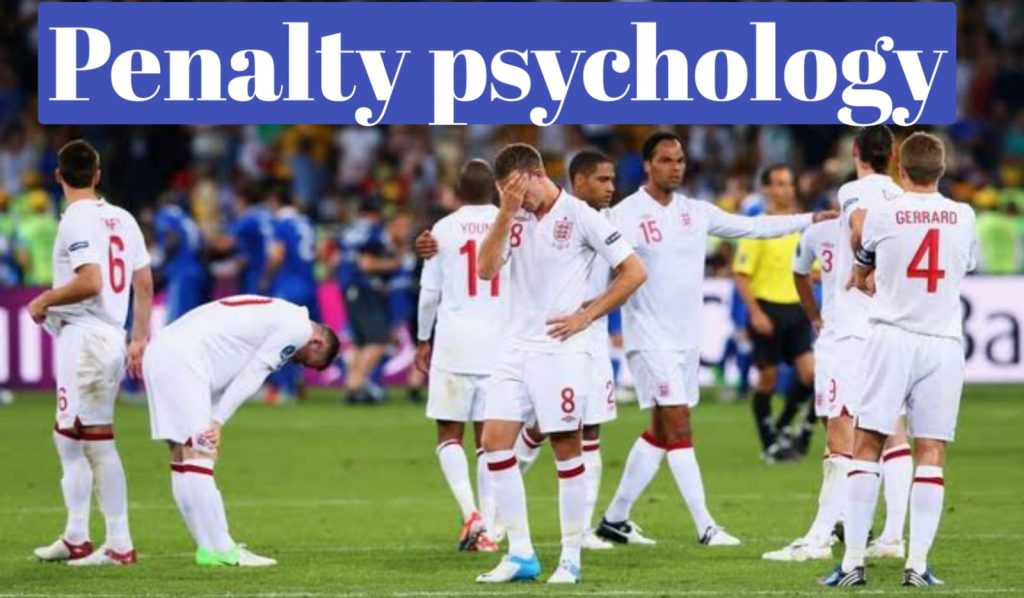
Goalkeepers are exposed to pressure in a different way, as they expect the shots and manage nerves. It is important to stay focused in the middle of the crowd and the stakes of the match. During training, teams will go through shootouts to create a simulated pressure. The exercises help players to cope with stress and improve performance consistency and build confidence in difficult situations.
Visualization Techniques
Visualization enables the players to practice the penalty situations in their minds. Shooters visualize their goal of hitting successfully, hitting accurately, and expecting reactions of the goalkeeper. This enhances neural connections, which makes one more confident and able to perform under pressure. The visualization of the success and contingency plans enables the players to be flexible and calm during the real shootouts.
Visualization is also advantageous to goalkeepers, anticipating probable tendencies of the shooters. Mental practice improves speed of reaction, decision making and coolness. These exercises are regularly taken by coaches to train shooters and keepers on situations that demand a lot of pressure. Penalty shootout psychology requires visualization as a very important tool to all players.
Confidence Building
Psychology of Penalty Shootout is important. Gamers rely on their practice, skills, and habits to help them stay focused. Believing in oneself minimizes indecisiveness, increases accuracy and decision making. The confident players will perform better with pressure because they will show their mental resilience and power in such moments of the match.
Confidence is also another aspect that goalkeepers use to make decisive saves. Shooting, diving, and projecting belief can be used psychologically to affect opponents. To create confidence, coaches focus on positive reinforcement, the analysis of past success, and mental routines. The belief in the capability of taking penalty and keeping it is the key that divides between the successful and the unsuccessful ones.
Routine and Consistency
Love routines stabilize concentration in advance. Players repeat certain patterns such as ball positioning, run up and breathing. Unity minimizes apprehension, which generates familiarity that boosts performance. Formed habits assist players in directing energy in a positive manner which gives them clear minds when facing tense penalty moments.
Goalkeepers also establish routines, such as position, visual and pre-dive. Regular behaviors enable the shooters as well as the keepers to count on trained mental models. Regular practice helps lessen the cognitive load so that one can perform with pressure. This state of mind is important during penalty shootouts which are high stakes.
Handling Success and Failure
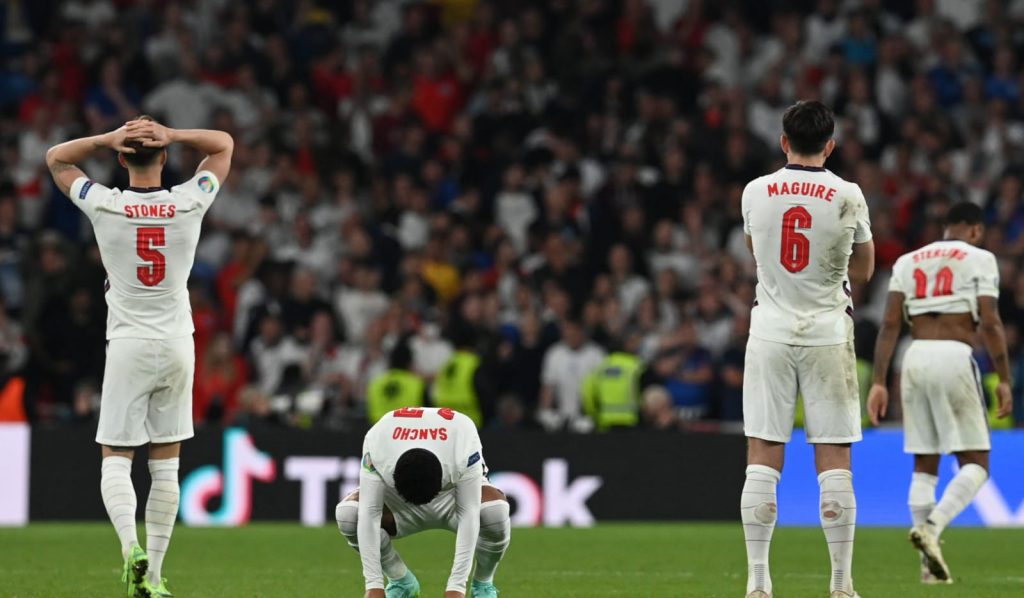
Players have to deal with the result of every penalty. Wins make people feel confident, and defeats may cause uncertainty. Strong players also focus, never to think about the mistakes and take the next shot as it is. Emotional control guarantees the performance during the shootout to be constant.
Winning and loss is also psychologically done by goalkeepers. The save at the start of a game can give a boost to a team, whereas a goal scored against needs to be refocused. Teams practice to take every penalty separately so that past does not influence the current performance. Emotional control is the key to the success of penalty shootouts.
Anticipation and Reading Opponents
Goalkeeper behavior prediction is part of Shooter psychology. It is possible to make informed conclusions by observing position, movement and tendencies. Expectation makes it more precise, less hesitant, and more self-assured. Expert players research their rivals beforehand to have an upper hand when there is a penalty.
Goalkeepers also foresee intentions of shooters. The knowledge of the habits, the favorite direction, and body cues enhances the probability of shot salvaging. Splitting-second reactions are made possible by mental preparedness. Expectation and concentration of the mind contribute to a better decision-making process and action in the pressure of penalty shootout.
Coping with External Pressure
There is pressure caused by crowd noise, media interest and match stakes. Players are required to avoid distractions, stay focused and concentrate on execution. Visualization, breathing, and cue words are some of the mental resilience techniques that assist athletes to deal with external influences.
The same can be said about goalkeepers, who must be able to concentrate regardless of the pressure. The players are acclimated to noisy and stressful situations simulated by teams. Dealing with outside pressure is a sure way of making performance depend on training and competence instead of terror or distraction, making shootouts more likely to succeed.
Leadership and Support
Team leaders direct and encourage shootouts. Captains motivate the teammates, boost morale, and minimize anxiety. Positive reinforcement builds confidence and composure, which aid players to play under pressure. Leadership empowers psychological preparedness at critical times.
Coach and teammate support also have an effect. Tips on strategy, position, and focus indicators will create confidence. Team spirit and confidence help to create a psychological atmosphere in which performance is always encouraged. Penalty shootout psychology is associated with leadership and support.
Focus and Attention
Constant attention is paramount to precision. Players are focused on the ball, target area and the run-up sequence. Distraction management will allow the execution to be unaffected by the pressure. Being able to stay focused enables players to remain in practiced methods even when in extreme circumstances.
The acute attention is also needed by goalkeepers. The direction in which shooters move, the ability to react and foresee the direction requires attention. Training exercises like focus enhance this. This is because teams learn to have cognitive focus to improve performance consistency in shootout situations that are critical. Attention has a direct influence on the chances to succeed.
Mental Toughness and Resilience
This toughness in the mind enables the players to overcome misses and pressure. Strong athletes are able to stay composed, change strategies and confident in shootouts. Such a psychological strength can make the difference in the high pressure situations and make the teams successful in spite of the difficulties.
Practice, reflection and visualization reinforce the aspect of resilience. Learners are taught to take the penalty on its own and not to apply the negativity of the past mistakes. Goalkeepers also stand to gain since they do not lose faith and concentration upon conceding goals. The most important aspect of penalty shootout is mental toughness.
FAQs
Final Thoughts
Penalty shootouts are both mentally and technically challenging. Shooters and goalkeepers have to cope with the stress, focus and use psychological techniques. Visualization, routine, anticipation, and emotional control improve performance when there is extreme pressure. Teams with mastery of penalty psychology enhance the rate of success and do better in high stakes World Cup scenarios.
The psychological training is as essential as the physical training. Outcomes in shootouts are characterised by confidence, resilience, leadership and focus. Knowledge of psychological strategies and their application will make sure that the players make rational choices, cope with pressure, and perform well in their skills. The psychology of penalty shootout may predetermine the outcomes of matches and make players more popular in the world arena.