Why Some Teams Peak Too Early in FIFA World Cup
DiscoverWhy Some Teams Peak Too Early in FIFA World Cup and how fatigue, momentum, and energy management impact knockout-stage performance.
Some teams enter the FIFA World Cup 2026 in outstanding form but struggle to sustain it throughout the tournament. Early peaks often occur due to excessive physical and mental exertion during qualifiers, pre-tournament friendlies, or initial group-stage matches. This can lead to fatigue, reduced tactical effectiveness, and a drop in momentum during critical knockout stages, ultimately diminishing their chances of advancing or winning the competition.
Early peaks also have a contribution of overconfidence. Teams that prevail in warm-up games or qualifiers can either underrate their opponents or overwork during the first games. This is because high expectations cause psychological stress and the players have no choice but to give their best before the tournament moves on. Pacing and focus are crucial to have good performance in the demanding World Cup schedule.
Causes of Early Peaking
Physical overstraining is one of the major causes of premature peak. Severe training before the tournament, travelling, and friendly matches may cause fatigue on the players. Even a small degree of fatigue decreases the rate of sprints, recovery rate, and reaction time. Teams that overperform at the initial stage tend to become soft at the crucial times and therefore they get exposed to well-timed teams during the knockout stages.

Early peaks can be increased in tactical rigidity. The coaches who use high-intensity pressing or complicated formations prior to the tournament expose players to exhaustion. There can be issues with flexibility of teams, when initial energy consumption leaves players exhausted both physically and mentally. It is important to be flexible and balance the exertion levels to maintain the performance during several World Cup matches.
Psychological Factors
Psychological pressure is a factor that leads to premature peaking. Players who are supposed to play perfectly might get exposed to stress, anxiety, and lack of concentration. Physical exhaustion happens at a slower rate than mental fatigue. Technically proficient teams may fail due to lack of confidence or pressure. Premature peak can be caused by poor psychological preparation especially in teams that have inexperienced groups or where there is a lot of media attention.
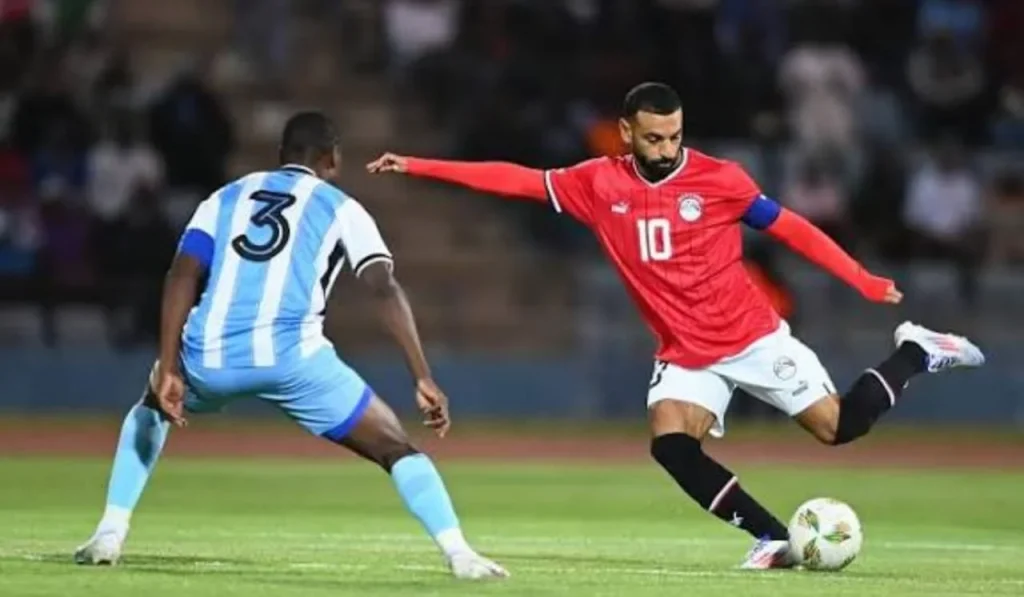
Winning initially in games also leads to complacency. Overconfidence results in failure to focus on defence, or underestimating resistance. The success of early wins can build up pressure on the performance and end up wasting the energy of teams. The coaches should strike a balance between confidence-building and mental pacing without exhausting the stamina at the earlier stages to enhance decisive tournament levels.
Impact on Knockout Stages
Teams that overperform tend to fail at knockout stages. Loss of rhythm and fatigue decrease the intensity of pressing, tactical acuity and finishing effectiveness. The opponents that have accumulated energy and are gaining momentum can take advantage of gaps. Matches can be even on paper but early peak destroys long-term consistency, which is more likely to make one get eliminated even though one is more talented or in better form.
Early peak also impacts on the squad rotation and substitutions. Fatigued players at an early age might need to have more rest, restricting the tactical choices. Damage and loss of strength may interfere with team spirit. Knockout games require maximum physical and mental fitness which in many cases can not be maintained by early-peaking teams and the good campaigns turn out to be early doorways.
Momentum vs Early Peak
Momentum is important in the performance of the World Cup. Confidence also can be maintained over time by the teams that develop it, but in the end, teams that peak too soon may exhaust themselves. Psychological resilience is guaranteed by momentum, which helps players to overcome disappointments. Early-time peaks tend to destabilize rhythm leaving the teams exposed to other teams which become confident as the tournament advances.
Coaches have to be careful about form and momentum. Having energy reserves will enable a gradual enhancement of performance, whereas early peaks will lead to collapsing at crucial knockout matches. The teams that are successful in the tournaments tend to time their peaks at the right moment, as they manage the workload of the players, their morale, and the intensity of tactics in place to take advantage of the momentum of the tournament to their advantage.
Squad Management and Rotation
Scheduling of players evades premature highs. Coaches allocate playing time to both starters and substitutes and lessen fatigue and still ensure match sharpness. The rotation of players in the non-critical matches conserves energy in knockout matches. The inability to rotate will result in excess of key players, which will make them more vulnerable to physical and mental deterioration at crucial points.
Tactical freshness is also ensured by rotation. New substitutes maintain high intensity in the pressure, effectiveness in counterattack, and defensive discipline. Teams that rise too soon do not exploit the deep reserves, and they must use exhausted starters. Strategic rotations maintain the team spirit and maximise on performance where players come to major matches at their best physical and mental states instead of getting tired early.
Fitness and Conditioning
The physical conditioning is what makes a team hit the peak at the appropriate time. With the most efficient endurance, strength, and recovery techniques, teams can play a high level of intensity during the world cup. Early peak is usually due to the over-straining pre-tournament exercise, or insufficient recovery measures, and causes a decrease in capacity at the time when it is required most.
It is necessary to monitor the workload. Coaches can avoid over training using GPS tracking, fitness testing and recovery management. Such teams that reach their peaks too soon tend to overlook these measures, as they are guided by talent or premature form. Conditioning techniques are essential as a strategy to balance the form, sustain energy, and peak performance to decisive knock-out matches.
Tactical Flexibility
Fixed strategies are a contributor of early peaking. The energy is needed in high-pressure pressing systems, complex attacking formations, or challenging defensive structures. The players who use such tactics in the initial games can be tired both physically and psychologically. Intensity, pacing and strategy adjustments with progression of the tournament decrease the chances of premature peaking and ensure long term performance.
Flexibility enables the teams to save energy without losing effectiveness. Managers can adopt the conservative practices at an early stage with the intensity being added in stages as the momentum gains. Tactical flexibility eliminates boredom and maintains high alertness in important matches. Teams that learn to be flexible do not experience premature peaks but peak at the right time to score a knockout.
Examples of Early Peaking
In the past, such teams as Brazil in the 2014 World Cup demonstrated a good performance in the initial stages and failed in subsequent rounds. They used high-intensity attacking behaviors that would result in them being tired during knockout games. Those who have been opposing with slow moving momentum took advantage of the fact that Brazil had reduced sharpness and they showed the effects of premature peaking in high-pressure tournaments.
On the same note, Spain in the 2010 world cup maintained a good balance and momentum of form, reaching its climax in knockout rounds. Freshness was maintained through early rotation, energy management and pacing. Their slow ascendancy was also opposed to early-peaking teams, which demonstrated the relevance of timing the performance peaks to match the most decisive matches of the tournament.
Psychological Management
Coaches focus on mental pacing in order to avoid premature peaks. The emphasis on the process rather than the results will decrease stress and keep the concentration and motivation at the tournament. Trained teams in dealing with psychological fatigue react better to losses, recuperate and maintain their performance in a series of matches.
Players need to be balanced between effort and intensity. Calming down under pressure helps to avoid overstraining at early stages. Psychological management consists of setting goals, stress, and increasing challenges. Mentally integrated teams maintain momentum, prevent burnout and hit a peak at the right time when it counts, maximizing the potential of the World Cup.
FAQs
Conclusion
The problem of early peaking spoils the World Cup campaigns by overexploiting physical, tactical and psychological resources. Those teams who do not pace themselves lose their effectiveness in a knockout round and talent and form are not enough in a long-term success. Energy, rotation, and mental focus management are needed to avoid premature deterioration and stay in the peak performance at the time when it is most needed.
The success of the world cup relies on the timing of the performance peaks. Champions balance is a form, momentum, fitness, rotation and psychological strength, making sure that maximum output comes to the decisive matches. The teams that know how to pace, manage energy, and win tournaments have the best opportunities, whereas those who start peaking early on usually run out of stamina, become overconfident or fail in their tactics.