Club vs country FIFA conflicts during 2026
FIFA 2026 creates tensions between club vs country as players balance international duty with club commitments, affecting performance and team strategies.
FIFA 2026 fuels the current crisis between the club vs country interests. Players have to contend with tight schedules which are usually topped with international matches and domestic league matches. Domestic competitions are aimed at peak performance of clubs, national teams need players to train and participate in tournaments. It has led to a tension that affects the availability of players, their fitness, and club-association-government negotiation at the international level.
The dispute is intensified when there is a big tournament such as FIFA 2026. Clubs are concerned with long-term performance of players due to injury or fatigue whereas national teams are concerned with representation and tournament success. In both arenas, players are under the pressure of performing consistently. This is a delicate task because balancing such conflicting interests is the key to player development, club strategies, and international football dynamics during the tournament and domestic seasons.
Player Fatigue Management
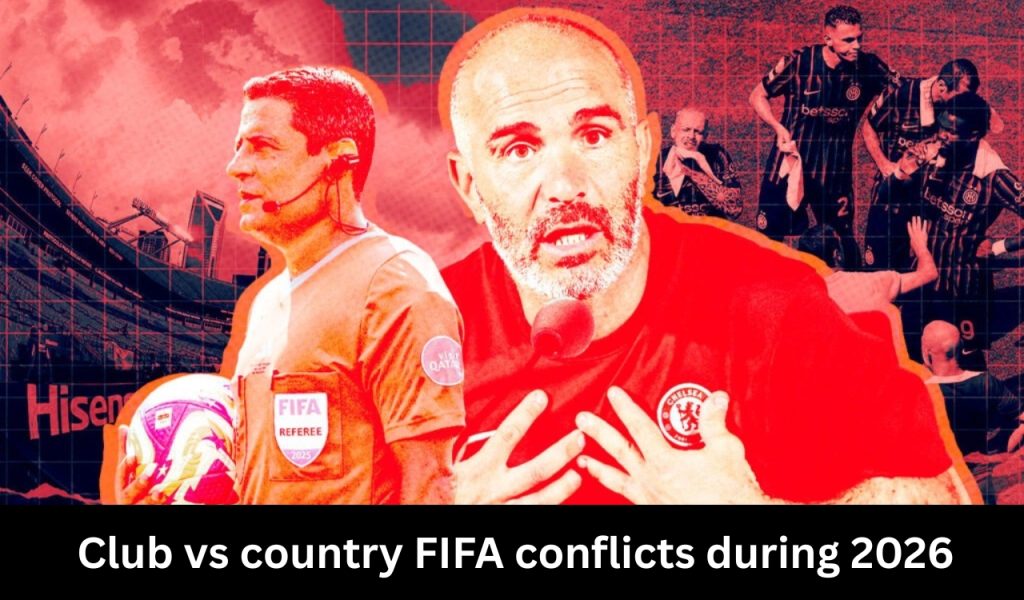
FIFA 2026 requires very physical and mental efforts. Making the club and national team duties result in exhaustion. Without proper rest and recovery, players will be at risk of performing poorly or being injured. Clubs tend to demand a restrained input to preserve their investment whereas the national teams seek as much as possible. Workload management is essential in ensuring performance, health, and longevity of careers.
Fatigue is aggravated by scheduling conflicts. Physical stress is complicated by travel, training and match intensity. Clubs have policies that govern rotations and national coaches will lay emphasis on key fixtures. To make sure that all stakeholders have a lower level of risks players need to have the proper recovery, fitness monitoring, and strategic planning to guarantee that they maintain the high performance during FIFA 2026 along with further domestic competitions.
Injury Risk and Club Concerns
Injuries during international duty are of great concern to the clubs. The tour matches of FIFA 2026 can be characterized by high competitiveness and physical activity. The injuries may compromise domestic league goals, the transfer value and financial investment. The clubs negotiate the limits of participation or protective measures, the benefits of exposure to the players versus the long-term effects. The main feature of club-country conflicts is managing injury-risk.
Individual gamers have been challenged to make tough decisions between ambition and career. The national teams demand total dedication, whereas the clubs impose guarded actions. Risk reduction is important through fitness tests, medical follow-ups and preventative measures. FIFA 2026 is a pilot project in the area of establishing the balance between career ambitions and the interests of clubs, as well as the welfare of players.
Contractual Obligations
Contract laws of players usually contain provisions of international duty. FIFA 2026 reveals possible contradictions between the contractual duties to the clubs and the duties towards national teams. Contract negotiation ensures that there is compliance to the governing bodies and at the same time, maintains the performance of the players. To ensure a balance in terms of contractual commitments, it is important to establish effective communication, legal, and strategic planning to alleviate disagreements and professional relationships.
Insurance, release and liability during injury are stated in contracts. International participation may be negotiated with the help of clubs on compensations or insurance. Players, agents, and national associations work together in order to make sure that obligations are fulfilled without affecting performance. FIFA 2026 also puts a lot of focus on ensuring clear understanding of the contract to prevent misinterpretations and issues that may negatively affect the careers of the players.
Media Pressure and Public Expectations
During FIFA 2026, the press attention would heighten the tension between clubs and countries. The decision of players is frequently criticized in the public and is judged based upon their loyalty, availability and performance. Both clubs and national teams are pressured to participate by their fans. Players end up in the middle of competing demands, which affect choices and career image. Media stories may enhance disputes, affect reputation, negotiation, and work relations.
Social media speeds up social questioning. Expectations are heightened by viral debates, pundit statements and fan movements. The sentiment is monitored by the clubs and national teams to control the messaging and decision-making. Players have to cope with the pressure of the media and continue to perform equally. FIFA 2026 shows how the perception of the society, club interests, and the responsibility of a nation interact in modern football.
Scheduling Conflicts
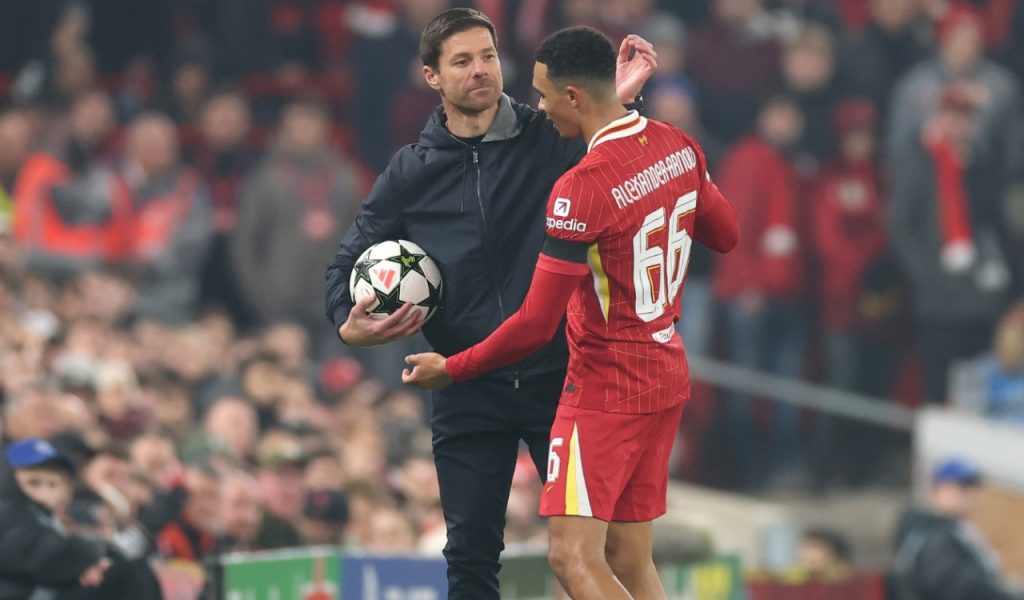
FIFA 2026 tends to intersect with domestic league games, which leads to scheduling problems. Clubs can not allow players to go away, which will adversely affect the performance of the league. International associations demand participation in entire international tournaments and qualifiers. The conflicts must be dealt with with efficient coordination of the schedules, rotation, and negotiation so that the players could play at their best without any impairment on their physical preparedness or professional obligations.
Scheduling is also made harder by travel logistics and time zones. Contingency plans are applied by clubs whereas training and match preparation are altered by national teams. FIFA 2026 emphasizes the need to plan collectively among the stakeholders. The rotation strategies rely on the physical ability and match readiness of the players to balance the results of competition with longevity of their career in the overlapping domestic and international seasons.
Psychological Stress
The juggling of the club and country life presents a lot of psychological pressure. There are various stakeholders whose expectations are to be dealt with by the players, such as coaches, teammates, fans, and media. High visibility and tough competition add the pressure of FIFA 2026. To ensure that there are no negative consequences on decision-making and career growth, mental resilience and support systems are required to keep focus, performance, and well-being.
Sports psychologists, mentorship and structured rest are stress management practices. The consistency of performance in club and national matches is affected by coping mechanisms of players. FIFA 2026 focuses on mental and physical preparation, as it is necessary to pay attention to psychological support in time to overcome situations of a conflict between clubs and countries in the context of high-pressure tournaments.
Financial Considerations
Club vs country conflicts are motivated by financial implications. The clubs spend a lot of money on salaries and transfer fees of the players and want to recover their money. The country teams provide exposure and possible bonuses but can cause more injury. FIFA 2026 increases the financial interests that affect the fact of releasing a player, insuring, and compensating. The balancing of economic interests is the focus of managing the relationship of the profession.
The decision is also made under broadcasting, sponsorship and merchandising revenue. The operations of clubs are aimed at protecting marketable resources, in comparison with the national associations, whose attention is paid to the performance of the tournaments. Negotiation strategies would guarantee mitigation of the financial risk without compromising performance. FIFA 2026 introduces the world of economics, performance, and contractual responsibilities in the management of elite football.
Club Loyalty vs National Pride
Players are in a dilemma whether to be true to the club or be true to their nation. FIFA 2026 evaluates dedication to the domestic teams and international representation. Conflicting priorities are developed due to emotional involvement, advancement and promotion in the career and societal expectations. These conflicting loyalties demand wise judgement, dialogue, and introspection in order to balance both of these loyalties and to remain professionally sound and reputable.
Culture matters affect decisions. Participation is driven by national pride, and career development and financial stability are affected by the requirements of a club. FIFA 2026 emphasises the subtle choices the players have to make, balancing the professional goals and the representation of patriotism. Long term career planning takes into account the sporting accomplishment and the popular opinion in the solution of the club-country tensions.
Long-Term Career Implications
Career impacts FIFA 2026 Club-country conflicts are permanent. All the choices about participation, injury management and performance have an impact on future transfers, contracts and reputation. Players should balance between short term performance and long term goals, and this should be in a sustainable manner of the profession. Maneuvering of these tussles strategically is protection of credibility, market worth and prospects in both local and international football scenes.
The decisions are followed by the clubs and national teams to track their precedence. The choices made by the players influence the perception of the stakeholders and influence leadership positions, endorsements and career path. FIFA 2026 can be used to analyze conflict management as a guideline, showing the contribution of performance, loyalty, and professional growth to the management of elite football settings.
FAQs
Final Thoughts
The FIFA 2026 highlights the club versus country disputes, which impact individual welfare, career, and negotiations with stakeholders. Using strategic planning and effective communication enables balancing between the expectations, contractual obligations and fitness. Effective management makes the players play at their best but safeguard long term professional interests, remain credible, and meet domestic club and national demands in high profile tourism.
The awareness of such dynamics assists the clubs, national associations, and players to manoeuvre through the challenges. The player value and performance are maintained through strategic rotation, mental resilience and collaborative negotiation. The case of FIFA 2026 is a good example of the fragile balance between professional responsibility and national representation that forms the current football management and the lifelong career path.