Croatia National Football Team: Will the New Generation Be able to continue the Legacy?
Complete analysis of the Croatia National Football Team with squad details, strengths, weaknesses, tactics, future stars, FAQs, and a full outlook on their next era.
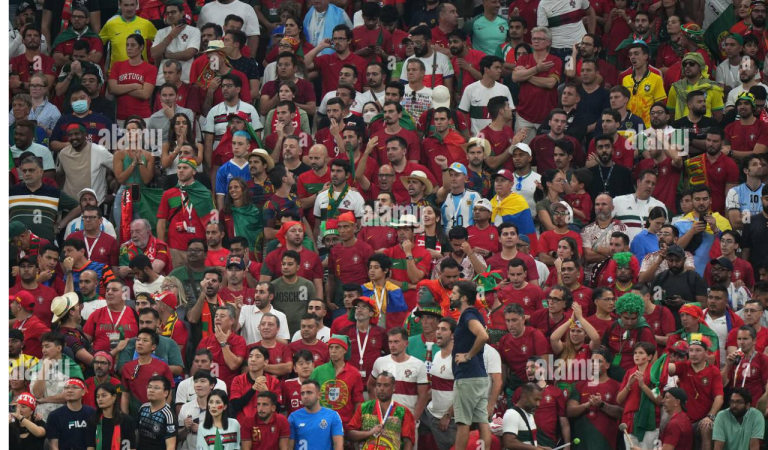
The supporters of the Croatia National Football Team are confused about the team following the golden 2018 and 2022 world cup campaigns. As Modric and Perisic get older, fans are worried that the team will end up losing its identity and competitiveness. Citizens desire to know: Does Croatia remain robust enough or are they going into a tough rebuilding period?
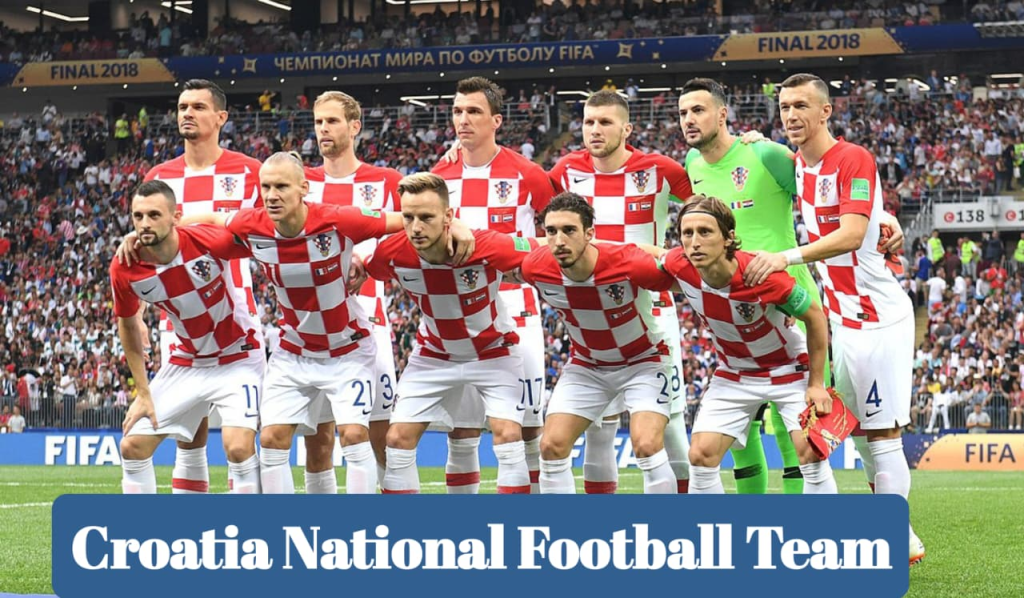
Luckily, there is no complex solution to this. Croatia is not falling down, they are changing. The emergence of new players, such as Gvardiol and Majer, introduces some order, speed, and development of the tactics. The Croatia National Football Team is on the verge of another stability, leadership, and good performances in the European continent and all over with the modern strategies, and new team energy.
History of the Croatia National Football Team
Ever since its formation in the 1990s, the Croatia National Football Team has remained an icon of sturdiness and premium performance. Courage, intelligence and technical quality are the foundations of their football DNA. Since the 1998 World Cup semifinal match till their present triumphs, Croatia has continuously shown that they can compete with bigger countries.
Their image was further enhanced by their amazing 2018 appearance in the world cup final and third place in 2022. These accomplishments led to respect and expectations globally. Fans are now of the opinion that Croatia should consistently deliver on the high levels. Having this history, each new generation is under pressure to continue the tradition of football in the country.
Present Form and Competitive Position
Croatia National Football Team is still competitive, but in a natural transition phase. Their qualifiers and tournaments are not bad but some form of inconsistency is evident. The midfield is sometimes slower and the attack is not sharp. Such contradictions cause misunderstanding in the fans and leave them wondering where the team is headed to.
Nevertheless, Croatia is a good European team. A combination of their tactical organization, mature leadership and youthful vitality works well. The team has been winning key games particularly when it comes to tense and pressure games. With the maturation of younger players, Croatia would have a better rhythm and will have greater confidence and the desire to compete in tournaments.
Croatia Team – Modric, Gvardiol, Kramaric, Brozovic, Vida, Perisic
The squad of Croatia National Football Team is a combination of youthful leaders and world-class experienced players. Luka Modric is still playing intelligently and calmly in matches, whereas Brozovic provides balance in the midfield. Kramaric will inject creativity and finishing, and Vida and Perisic will provide experience and leadership, which is needed in a transitional period.
The new era is focused on Josko Gvardiol, who is becoming one of the leading defenders in the world football. His decision making, strength and ball handling are in line with the contemporary game. The mix of both the veterans and the emerging talents provides Croatia with a balanced set-up that can manage big tournaments and knockout matches.
The strengths of the Croatia National Football Team are as follows
The most dominant strength of Croatia is its midfield culture in the world. The country has always managed to create the best midfielders who dictate the tempo of the game. Their quality, intelligence, and technical mind make them to possess and organize games well. This distinct identity enables Croatia to be able to compete with leading countries with a lot of confidence.
The other strength is that of their defensive improvement. Gvardiol, Erlic, and Sutalo are some of the players who are very physical and have contemporary defensive qualities. Mental toughness of Croatia also could not be compared. They are not easily pressurized and even exceed their expectations in large events. This attitude renders the Croatia National Football Team a threat on knockout games.
Weaknesses Croatia Should Conquer to remain Strong
The most worrying aspect of Croatia is their failure to have a steady goal scorer. Despite Kramaric, the team requires a more goal-scorer who will convert big games. Croatia has been at times unable to transform dominance into goals, particularly against well-organized defensive teams because of the lack of reliable attackers.
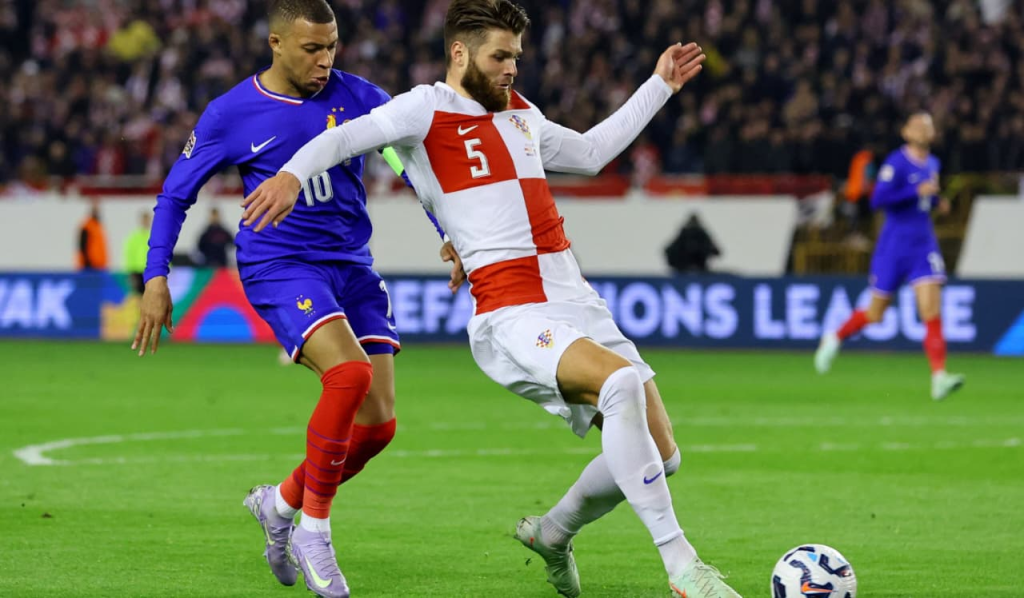
Their transitional play is also slow. Croatia can appear predictable against its opponents who are fast and pressing. It is further complicated by the fact that the key players are getting older, which means that faster adaptation and faster is needed. Tactical flexibility is also restricted by squad depth, in particular in the wide areas. Discussing these problems will determine the successful formation of the new generation in Croatia.
Tactical Development and Style of Play
Croatia National Football Team has traditionally played in a possession based style with a patient build up that is regulated by the midfield. This tactic is appropriate among old players such as Modric and Brozovic but may be sluggish when dealing with high-energy teams. The current football is requiring quicker transitions, pressing and quick attacking combinations, which demands that Croatia changes.
The future generation would enable Croatia to be more dynamic. The ball movement of Gvardiol, the creativity of Majer, and the speed of Sucic introduce new tactical aspects. The possession is likely to be mixed with vertical movement, which will make the team more unpredictable in Croatia. This is a vital strategic development that will ensure future success in the tournaments.
Newcomers of the Future of Croatia
Josko Gvardiol is the one who represents the new era of football in Croatia. His ability to defend, handle the ball, and lead the team is a long-term asset of the team. Lovro Majer is creative, passes range, and balance, which forms the midfield following Modric. Luka Sucic will bring energy and current attacking instincts, enhancing the offensive pattern of Croatia.
Other emerging talents such as Martin Baturina, Stipe Biuk, and Dion Drena Beljo offer new choices to Croatia both in attack and midfield. They are essential in their development to replace the gap created by the older generation. Under good guidance, these young players would be able to sustain the Croatia National Football Team in various future tournaments.
EURO 2028 and World Cup 2030 Tournament Expectations
The EURO 2028 should be the first tournament in Croatia with almost a fully new-generation squad. Croatia is able to play a dark horse with stronger chemistry and better tactical speed. Their leadership and new energy combined together makes them able to reach the knockout stages and perhaps drag huge upsets.
The world cup 2030 is even better promising. By this time, such players as Gvardiol, Majer and Sucic will be in their prime. When Croatia develops the quality of an attack and defense discipline, they are capable of being strong competitors once again. Deep tournament runs are quite feasible with the correct evolution.
Roadmap to the Next Big Football Era in Croatia
Croatia will have to emphasize on producing rapid, clinical attackers who can score in the midst of pressure to remain elite. Their offense will be greatly reinforced by enhancing the finishing and developing more dynamic wing play. In the meantime, it is necessary to decrease the excessive reliance on older executives and provide younger players with regular playing time.
The team should also modernize the tactic by accelerating the speed, pressing with high intensity and physical conditioning. Better transition training and stronger youth investment will result in long-term stability. With this roadmap, Croatia national football team will remain relevant and competitive over the next ten years.
FAQs
Conclusion
Croatia National Football Team is at the intersection of the experience and the renewal. Even though a golden generation is approaching its final stage, the new generation has hard hitters, innovative mid-fielders, and upcoming strikers. Having tactical updates, squad building, and more powerful finishing, Croatia will be able to preserve its competitive identity and be able to bring good performances internationally.