
How Underdogs Manage Confidence
Discover how underdog football teams build confidence with mental routines, focus, resilience, visualization, and leadership to challenge stronger opponents.
The opposing team is usually stronger in underdog teams and confidence is therefore necessary. Players should have faith in themselves and be realistic in terms of challenges. Mental exercises, imagining, and affirmation can be used to alleviate stress and enhance concentration. Composure and motivation are reinforced by preparation and the use of a team. Confidence can be managed correctly and this enables the teams to play well and make use of the available opportunities during vital matches of FIFA.
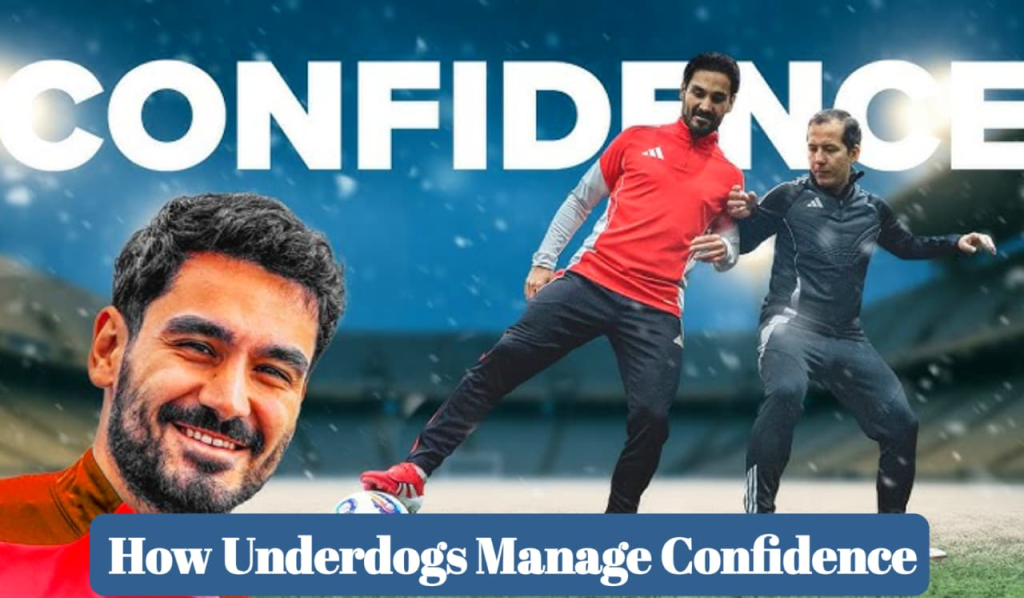
Confidence enables players to play calmly when the situation is under pressure. Coaches also focus on scenario planning, mental rehearsal and focus exercises to enhance belief. Confidence eliminates reluctance and promotes cooperation amongst team members. When underdogs learn how to manage confidence, they will be able to win unexpectedly against better rivals. Confidence management also leads to pressure being turned into motivation and competitive advantage in the field.
Psychological Resilience
One of the determinants of underdog teams is resilience. Players have pressure, disappointments and sudden challenges and have to bounce back very fast. Mental toughness enhances concentration, judgment, and calmness in the matches. Routines are the way to improve emotional control and self-confidence. Resilient teams are able to play on a par with superior teams.
Coaches use situations that are difficult to practice to develop resilience. Players get to learn how to deal with some mistakes without panic when they are exposed to adversity. Strong underdogs are fast in adjusting to changing circumstances in the field. The power of mind enables the team to transform pressure into motivation. This ability will guarantee stable performance even in the presence of better competitors.
Goal-Setting Strategies
Underdogs also cope with confidence by having realistic and attainable goals. Tactical plays are short-term goals that strengthen the faith and give quantifiable advancement. The long-term objectives keep the team focused on team development and improvement in performance. Even minor achievements constantly reinforce the motivation and calmness. Goal-setting is done properly to make sure that players are disciplined and confident when playing.
Goal-setting also helps in preparation and accountability of underdog teams. Coaches can balance between ambition and realism to discourage discouragement. Success breeds success. Organized goals enable groups to implement plans in a relaxed manner. This will enhance the performance against the tougher opponents.
Visualization Techniques
Visualization aids those who are underdogs to get ready psychologically to play. Players visualize the successful performance of skills and the ability to cope with pressure. Mental rehearsal enhances confidence, lowers anxiety and enhances concentration. The visualization enables the players to foresee the difficulties and respond to them in a calm manner in the actual matches. This method is a good way to combine psychological training and actual performance.
Players are directed by teams by envisioning various match situations. Competitors practice the tactics and possible challenges of their opponents in their minds. The use of visualization supplements the physical practice and situational awareness. Players who are mentally prepared do not lose faith when things are tough. This plan improves the performance against the tougher competitors.
Positive Self-Talk
Good self-talk boosts the self-confidence of underdogs. Players substitute doubts with positive expressions in order to remain motivated. Positive thinking lessens anxiety and keeps oneself focused on the matches. Self-talk helps players to be calm, determined and bold when in pressure. This tricks is better in countering better opponents.
The coaches condition athletes to practice and repeat affirmations during matches. Positive statements enhance focus and clarity of the mind. Good self-demonstration enhances strength and calmness. There is consistency in teams when they work under pressure when employing this technique. It assists in keeping faith even to greater adversaries.
Role of Leadership
Leadership helps underdogs to have faith. Team mates are inspired by captains and seniors, they strengthen their focus and offer encouragement. Leaders promote teamwork, responsibility, and team thinking. Good leadership keeps the teams disciplined and confident in the field. Good leaders should be optimistic and realistic so that they do not get complacent.
Morale is also dealt with by the leaders as matches get tough. They offer emotional support and technical advice so that they do not panic. The leadership encourages trust and unity among players. Underdogs with good leadership react well to misfortunes. Leadership provides psychological preparedness with the physical preparation.
Team Cohesion
Cohesion within a team increases confidence in teams that are underdogs. During matches, mutual trust, open communication and cooperation decrease stress levels. Collaborative teams are also well organized and calm in times of pressure. Cohesion enables the players to sustain one another and performance. Good solidarity enhances resistance to more powerful players.
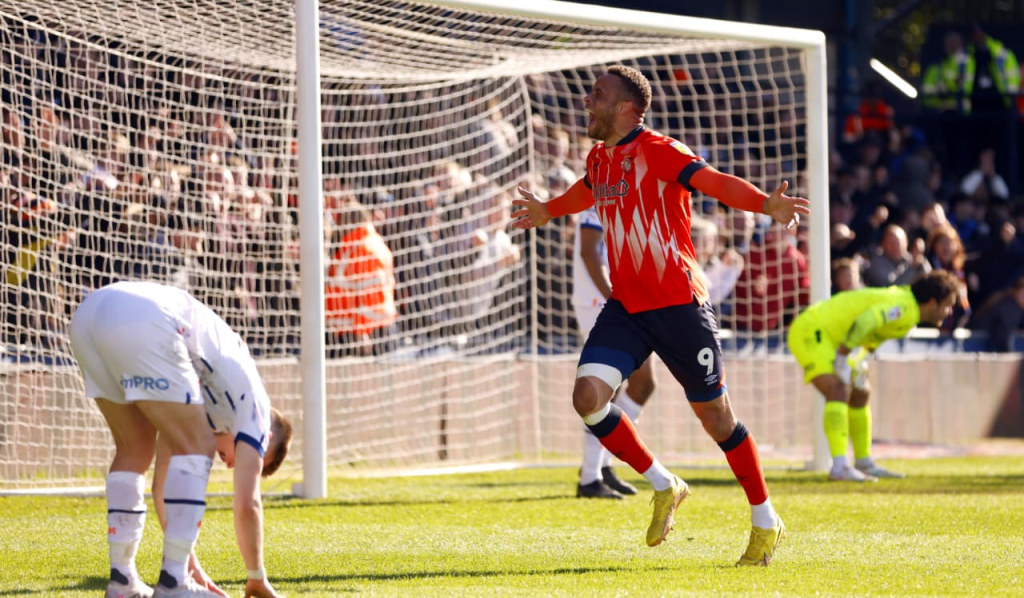
Coaches focus on team work and integrated training. Players are taught how to play roles, duties, and strategies of the team. Cohesion reduces the stress and concentration on the individual and concentrates on collective. Properly coordinated teams are able to perform well when there is pressure. The effective team dynamics enhance confidence and performance.
Handling Pressure
Underdogs are under severe pressure with an opposition that is better than them. Players need to remain calm and focused at the crucial moments. Mental strategies are effective in stress management and keeping the head. Dealing with the pressure effectively enables teams to exploit when they commit errors. This competence enhances performance in general during games.
Simulations are used by coaches to subject players to situations of high pressure. Stress training builds focus and resoluteness. Players are taught how to manage emotions in the field. Pressure management guarantees certain implementation of plans. The teams can even be effective in extreme circumstances.
Motivation Techniques
Underdog teams are motivated to do their best. Players employ both internal and external stimuli to remain focused. Positive reinforcement promotes tenacity and endurance in matches. Confidence is maintained through proper motivation in the face of tougher rivals. Motivation makes teams take matches with a lot of determination.
Players are encouraged, progress is emphasized and challenges set by coaches. Routine motivates and keeps one energized. Continued motivation enables the teams to be assured. Concentrated players work under pressure. Motivation enhances faith and endurance in competitions.
Learning from Experience
Underdogs overcome fears through previous matches. Players can consider the errors, their areas of improvement, and successes. Reflective practice facilitates improved preparation and awareness. Experience assists teams to evolve to meet future challenges. Realistic confidence and calmness when under pressure is developed through experience.
Post-match analysis and discussion is facilitated by coaches. Players learn lessons so that they do not commit the same mistake. Practizing what has been learned in the past improves the strength of the mind. Reflecting enhances playing with harder opponents. Challenge is turned into a growth opportunity through experience.
Maintaining Focus
Underdog teams need to focus when they are playing. Players have to exclude distractions and focus on strategy and implementation. Concentration of the mind enhances decision making and minimizes errors. Focus enables teams to deliver results during tough times. Concentration makes the players play well.
Players are trained by coaches on game stress drills. Focus training promotes consciousness and preparedness. The ability of targeted teams to react to opponent tactics is effective. Attentiveness will make confidence to translate into performance. This enables underdogs to match well with superior teams.
FAQs
Final Thoughts
Underdog teams need confidence as a key to success. Belief is enhanced by mental routines, visualization, positive self-talk and leadership. Teamwork, concentration and strength enable players to deliver at all times. When underdogs learn to handle confidence, they are able to beat their stronger rivals and record the unexpected victory in the competitive matches.
When pressure is well prepared and psychologically handled, it becomes motivation. Experience-reflective and team-reinforcing teams remain calm. Performance is improved by belief, motivation and resilience. Confidence management will make the underdogs a competitor in spite of the odds.