
Small Margins That Decide World Cup Games
Small Margins That Decide World Cup Games, where a single move, deflection, or lapse can change outcomes, making FIFA World Cup 2026 thrillingly unpredictable.”
World Cup matches are defined by razor-thin margins, where a single move can decide victory or defeat. Teams arrive meticulously prepared, tactically trained, and physically fit, making differences in quality less extreme. One rebound, a deflection, or a momentary lapse in focus can determine the outcome. This is what makes World Cup football uniquely unpredictable and emotionally charged, a drama that will once again unfold in the FIFA World Cup 2026.
As compared to league football, World Cup matches do not give a chance to recover. Knockout formats are punitive in nature. Results are dominated by fine margins, as teams play conservatively when they are under pressure. A single stroke of genius or mistake is worth ninety minutes of labour. These minute details can be used to understand why the favors decline and the underdogs triumph in international tournaments.
Individual Moments and Match-Winning Actions
The history of the World Cup is defined by single moments that change the course of matches in a single instance. Legacies are characterized by a well-timed run, a perfect finish or a very important save. Gamers are given seconds to respond. In these short moves, the long-term superiority is overridden and it is a demonstration of the fact that coolness during critical situations is more important than being the one who has more or having a better statistical advantage.

Minor technicalities determine results on the high end. The touch, positioning of the body, and positioning of the shot turn crucial. A half-second pause is enough to give the defenders time. Penalties or one-on-one situations of the match are changed by goalkeepers reading them. These micro-actions prove the fact that it is the precision that decides the World Cup games, not the long-term control.
Defensive Errors and Concentration Lapses
In football in the world cup, defensive concentration is extremely important. A single bad judgment of a header, a bad marking assignment, or a bad clearance may lead to being eliminated. Compact defenses give the teams slight room to recover. The mistakes are exaggerated as opponents do not require many opportunities. In tournament football, defensive discipline has the effect of isolating champions and exits.
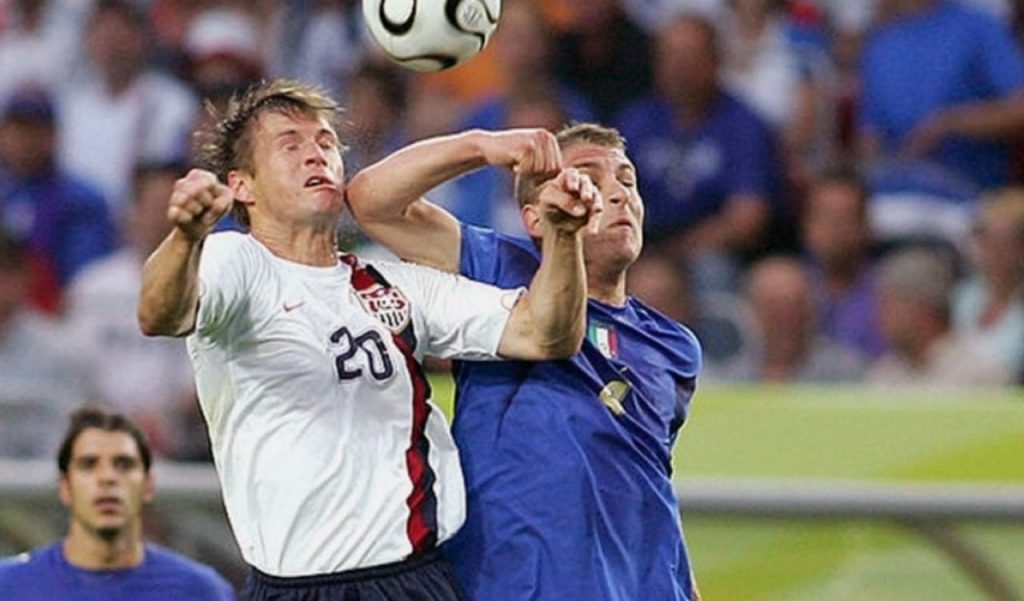
Defensive mistakes are caused by fatigue, pressure, and mental stress. Matches are often decided by late goals when concentration is lost. Shooting angles are formed as a result of subtle positioning mistakes. Lack of communication will result into misunderstandings. World Cup defenses work because of concentration which can be maintained, and it is seen that it can be more valuable to avoid errors than to have many scoring opportunities.
Set Pieces and Dead-Ball Situations
The world cup matches are determined by set pieces. There are scoring opportunities in tight games in corners, free kicks, and penalties. The teams are not able to play freely, and it is only through the rehearsed routes that they can play. One properly executed set piece has the ability to reverse the tide of battle and win games where the defense prevails.
Preparation for the World Cup lays emphasis on dead-ball efficiency. Coaches study the system of marking and the tendencies of goalkeepers of the opponents. Minor things such as blocked running or offside motion divide. It is also important to defend set pieces. It only takes one mistake in marking when passing a corner, and it is quite likely to be fatal, which underlines the necessity of preparation and discipline.
VAR Decisions and Refereeing Margins
The VAR has amplified the influence of small margins in the world cup matches. Marginal offsides, interpretation of handballs and taking of penalties affect the outcomes in a way that is dramatic. The actions calculated in centimeters change the direction of the tournaments. Designed to be fair, VAR nevertheless points out the thinness of the line between success and being eliminated at the international level.
Under pressure decisions made by the referees still have an impact. Judgment is influenced by weather, crowd noise and pace of the game. Teams change through reduction of risky challenges. Punishment is a necessity. A single penalty and red card change the dynamics of a match. These referee fees introduce an element of uncertainty, which further supports the fact that World Cup football can never be certain.
Psychological Pressure and Mental Strength
The world cup is filled with mental pressure which adds small margins. Players have national expectations, scrutiny of the media, and a personal legacy. Decision-making is retarded under stress. Teams that are good at their work perform fundamentals well, and nervous teams fret. Psychological strength usually defines who seizes decisive situations instead of who has the power of possession.
The final fringe is the penalty shootouts. Equal players undergo a lot of mental pressure. Breathing control, routine and body language. Psychological cues are used by goalkeepers. To win penalties, one needs to be calm and not strong. These instances support the fact that a psychological preparation dictates the outcome of matches where players differ physically and tactically but they match each other in every aspect.
Tactical Discipline and Game Management
Risk is minimized in World Cup football by tactical discipline. Compact shape and defensive balance are the priorities of teams. A single tactical error generates gaping space. Managers are focused on structure, transitions, and rest defense. It is common to see matches being won based on what team should break first and it has been proved that discipline is more superior to attacking flair in knockout football.
In close games game management is essential. Reducing the pace, regulating fouls, and substitutions maintain benefits. Skilled personnel guard smaller margins well. Bad management of the game is an invitation to pressures and mistakes. The success of World Cup is associated with teams that know when to attack and when to defend weak margins.
Fitness Levels and Late-Game Impact
Physical conditioning has an effect on small margins towards the end of matches. Fatigue slows down reaction speed and intensity of marking. Most of the world cup goals come past the seventy minutes mark when legs are weary. Highly-fitted teams are structured during stress. Close games are usually determined by conditioning differences as opposed to tactical innovation or personal genius.
Squad rotation also has an impact on margins. Workload management teams save energy to critical times. New replies take advantage of weary protectors. Efficient time changers also benefit as coaches. The depth and recovery planning are rewarded during World Cup tournaments, which demonstrate that the physical preparation impacts the moments that define the match in the crucial phases.
Luck, Deflections, and Uncontrollable Factors
The role of luck in the world cup football is unavoidable. Matches are decided by shots that are deflected, ricochets and incidents at the goal line. These are uncontrollable factors that cannot be planned but have outcomes. Tournament football squeezes margins so narrow that randomness is the decider, which is a reminder to the fans why football can never be predicted, and why it is so emotionally captivating.
Other factors include weather, pitch conditions and crowd atmosphere. Mistakes are brought about by slippery surfaces. Wind deviates the direction of the shots. Teams are energized through home support. Although preparation will reduce risk, chance will still play a role. Successful moments and balance and strength are usually enjoyed by world cup champions.
FAQs
Final Thoughts
Small margins are the blood and blood of world cup football. They make mundane events history. Successful teams are those that have mastered details that others do not bother with. Discipline, accuracy and mind takes precedence over reputation. It is a fine fine line that makes the World Cup the most dramatic and unpredictable event in international sport.
In the end, teams that appreciate the vulnerability of football are the ones that win the World Cup. Incidents can make or ruin campaigns. Taking on the challenge, training and staying calm are what champions are. In competition football, magnificence is in the minutest things, which are performed with the utmost precision, when all is on a stake.