Luck vs Skill at the FIFA World Cup
Explore howLuck vs Skill at the FIFA World Cup 2026, shaping unpredictable outcomes and thrilling moments that define football’s ultimate stage.
The FIFA World Cup 2026 is the ultimate showcase of football skill, preparation, and competition. Teams qualify through extensive campaigns, strategic training, and selecting their best players. Yet, once the tournament begins, outcomes often seem unpredictable. This raises a fundamental question: is World Cup success determined by skill or chance? In reality, both elements interact constantly throughout the competition, creating the drama and excitement fans expect.
The world cup has a short format which exaggerates randomness unlike league football. Months of preparation are ruined by one bad day. Skill is a determinant of the chances and control created by teams and luck is what determines the conversion of these chances into goals. The results are influenced by deflections, refereeing decisions and injuries. The world cup brings out the balance between preparation and uncontrollable chance in football.
Role of Skill in World Cup Football
The success of the World Cup is based on skill. Teams can have dominance in possession, opportunities, and defense through technical capacity, tactical consciousness and physical training. Elite players can make smart decisions in a small area, they play under pressure. Skilled teams will always be able to get to a later level and quality is still required even at the international level.
It is also important in coaching skill. Managers formulate systems that make the most of the strengths and the least of the weaknesses. Tactical flexibility makes it possible to adapt to diverse opponents. Well trained teams stress effectively, shift fast and are organized. In the course of several games, skill training raises the chances of winning, though it cannot completely overcome the uncertainty in tournament football.
Influence of Luck and Random Events
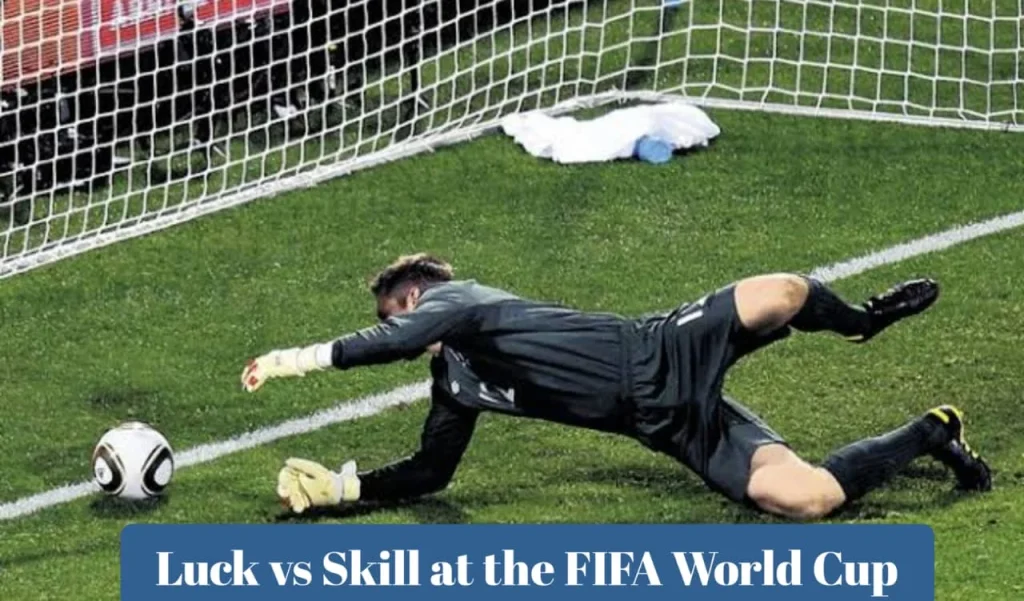
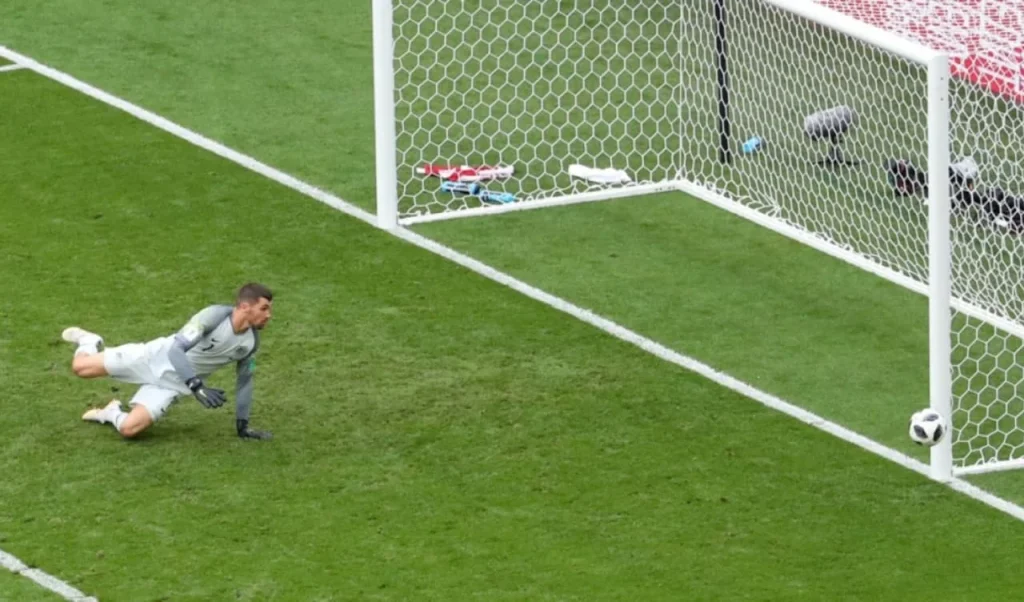
Fortune is apparent in the World Cup games. Results are changed as soon as there are deflections, unintentional handballs, or goal keeping mistakes. Training and prediction of these events are not possible. A team can win statistically but lose when it is just an unlucky bounce. This randomness is what makes football a controversial subject of fairness but is an inevitable part of the game.
Bad luck is also characterized by injuries. The loss of a major player will change the course of the tournament. Marginal fouls or cards have an effect on squad balance. Randomness is further added by weather conditions, quality of pitch and travel schedules. These aspects demonstrate that the results of the World Cup are not only based on preparation, but also circumstances that can not be influenced.
Knockout Format and Its Impact
The knockout system increases the role of chance. Teams cannot afford one defeat like leagues. Later rounds are dominated by penalty shootouts, extra time and sudden-death moments. Advancement is made by one missed opportunity or decision. This structure gives preference to teams which are effective in handling pressure and also enhances the influence of chance.
Underdogs have opportunities due to small margins. Small-scale defending and counterattacks decrease skill differences. One of the objectives can be guarded effectively. Knockout football is an incentive that rewards efficiency and not dominance. That is why those teams that are not so popular have a chance to win over the stronger teams, and luck plays more significant role in the short and high-pressure formats.
Penalties and High-Pressure Moments
Penalty shootouts bring out the question of luck and skill. Skills include technique, routine and composure, whereas there is randomness in goalkeeper guesses and psychological pressure. Even the elite players fail to have penalties when they are stressed. Shootouts also turn football into a game of planning versus luck, and they are the most obvious representation of unpredictability in the World Cups.
Stressful situations are not limited to punishments. Matches are characterized by one on one finishes, last ditch tackles and goal line clearances. Plays the skill positions, but the results are based on split-second timing. History of the world cup is full of critical situations when preparation was present, but outcomes depended on both performance and luck.
VAR and Refereeing Decisions
VAR has heightened the debate on luck and skill. Marginal decisions and handball decisions as well as penalty decisions affect matches. Goals are determined by decisions in centimeters. Although the purpose of VAR is to be fair, it shows how small the margin between victory and failure can be, which supports the notion that the results are frequently based on thin margins.
The consistency of refereeing is different in matches and officials. There is environmental pressure, the influence of crowds and the speed of the game. Teams evolve through minimizing risky challenges. Nevertheless, there is a single controversial call that can put performance in the shade. These instances bring out the interplay of skill and external factors which are usually viewed as luck in World Cup matches.
Consistency Across Tournaments
Although luck plays a role in one match, skill prevails in a number of World Cups. The successful nations of the past re-enter the same stages many times. This consistency confirms the fact that quality systems, development of players, and preparation are important. Fortune might determine individual contests, however, in the long term success is not the work of chance but rather the work of organisation and excellence.
Champion teams are known to have good times but they also produce more opportunities. Skill exposes one to luck by compelling one to make mistakes and fire. Powerful teams position themselves in a location whereby random events will be in their favor more frequently. Probability rewards with time, preparation, and quality that is maintained.
Psychological Strength and Mental Skill
Mental strength is an ability that minimizes the influence of luck. Teams that are well composed will react to setbacks. Confidence enables players to move on when they are not scoring or when they concede goals. Psychological training provides concentration in times of pressure. It is because when teams are not mentally resilient, they fall apart following unfortunate events but when they are, they easily adapt and get back on their feet.
The management of adversity is a character of champions. Randomness in teams does not lead to panic. Coaches are process oriented. Such an attitude turns fortune into chance. Mental ability closes the divide between planning and luckiness and proves that attitude is what makes one luck decisive or a simple setback.
Balance Between Luck and Skill
Fortune and ability are not opposites but they are interrelated. Ability opens up opportunities whereas fortune has a part in transformation. Teams that use chance alone do not always achieve success. The teams that are based solely on skill disregard the randomness of football. The world cup is a reward to the well-planned and the unpredictable nature of the game.
Effective teams are intelligent in managing risk. They counter attack, play set pieces and are disciplined. These tactics minimize the factor of chance. But they are not slow to make a fortune when it comes. The comprehension of this balance is why the winners of the world cups are a combination of structure, talent, flexibility, and the appropriate opportune favorable moments.
FAQs
Final Thoughts
The FIFA world cup is characterized by luck versus skill. Each team comes ready but results are unpredictable. It is this uncertainty that creates interest in the world. Skill gives form and luck gives drama. They combine their efforts to come up with stories that make football history and ensure fans are emotionally engaged in every match.
After all, the World Cup is a reward to teams that embrace the unpredictability of football. Opportunity is prepared, whereas resilience is established by accepting chance. Champions are not dependent on luck but they are prepared when it comes. This is a fine balance that helps the world cup to be the most interesting tournament in world sport.