Mental burnout risks at FIFA 2026
Mental burnout risks at FIFA 2026 include fatigue, pressure, travel stress, and tight schedules, affecting focus, decision-making, overall player performance.
FIFA 2026 will challenge footballers more than any other world cup. The pressure that is caused by expanded format, intensive travelling, media pressure and international demands put strain on the psyche. Mental burnout can be said to be exhaustion of emotions, loss of focus, and decreased motivation. These risks need to be understood by teams that intend to maintain the players and also preserve the performance levels during the intense conditions of the tournaments.
The health of the mind has become the top priority as physical fitness in contemporary football. Recovery is not encouraged by constant games, strategic requirements, and the presence of the media. Players joining FIFA 2026 are stressed by the experience of club seasons. This pressure may destroy confidence, decision making and enjoyment without proper psychological management making elite competition a heavy burden on the mind.
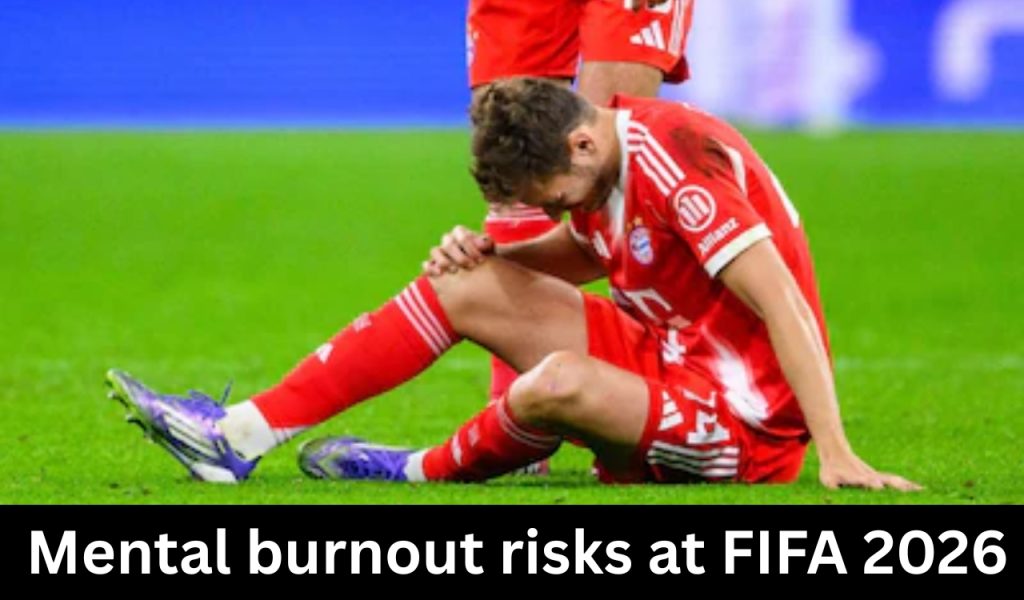
Expanded Tournament Pressure
FIFA 2026 is a bigger format, with more matches and more travel days and recovery requirements, aided by mental fatigue. Tactical meetings, long concentration demands, and little personal time are part of a player. Such pressure, in the long run, destroys motivation, complicating emotional control and leading to burnout, particularly to players who have participated in the club and international seasons.
Tournaments that last a long time test the mind rather than just a body. The frequent high stakes games restrict the possibility of a psychological rest. Players find it difficult to turn off their brains between games, media obligations and analysis time. It may result in irritability, anxiety and impaired clarity of decision making unless there are proper mental recovery strategies in place to prevent the long term effects of sustained exposure to tournaments.
Media and Social Media Stress
FIFA 2026 will also have unprecedented media coverage around the world. Players are constantly interviewed, judged and judged. Social media amplifies the act of scrutiny by giving instant criticism and applause. Such constant exposure adds psychological stress, especially to younger players not used to playing in a globally covered tournament, where online fans show unfriendly emotions and negative reactions.
Electronic media eradicate boundaries of recovery. Players are also kept busy in their minds even at times of rest. Notifications, viral clips, and opinions of people constantly interrupt. Failure to unmind raises emotional fatigue. In the absence of mediated media planning and psychological reinforcement, competitors run the risk of losing confidence, getting distracted and psychologically unstable which contributes to burnout in the distressing stages of a tournament.
Travel and Time Zone Fatigue
Multi country hosting of FIFA 2026 demands a lot of travelling. The frequent flights interfere with routine, sleep patterns, and recovery patterns. Continuous adaptation poses a challenge to cognition. Mental exhaustion is accrued as the players adapt repeatedly, even when there is a rapid decision making, emotional regulation, and the ability to foresee the tactics under a high level of competitive pressure over a long range.
The mental fortitude is directly undermined by sleep disturbance. Jet lag has an impact on mood control, concentrating ability, and tolerance to stress. The players who have uneven rest are psychologically fogged and irritated. Travel stress over time adds to the situation, making one less sharp and less motivated at the time that tournament stakes are at their highest knockout points.
Club and Country Load Conflict
The FIFA 2026 players have had the majority of times of tough clubs preceding sequences. The world cup is already in full swing, and there is no time to take a nap. International duty is pressure by the club in the form of emotional pressure. This is a build up of pressure leading to burnout vulnerability especially on players who are competing in multiple events with no adequate psychological rest.
Clashing duties increase mental strains. Players are under pressure to please the clubs, national teams, fans and personal ambitions all at the same time. It is too much to take care of fitness, form, and public image. Uncoordinated workload planning exposes athletes to multiple demands, causing them to experience emotional burnout, frustration, and eventually lose interest in the pleasure of competitive activity.
Leadership Responsibility Stress
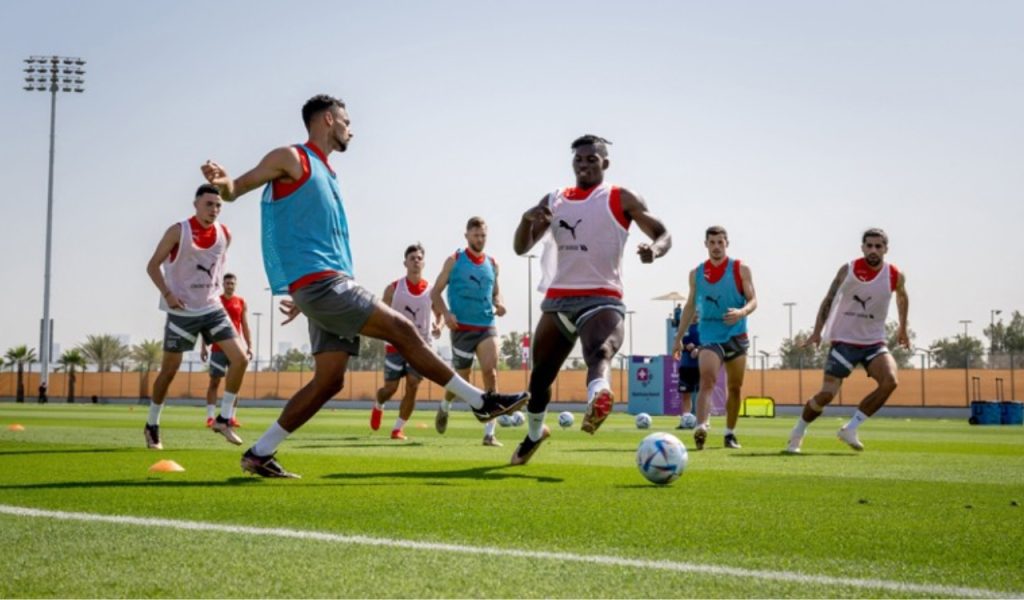
Other psychological loads are borne by captains and senior figures. They also deal with morale, communication, media responsibility, and cohesion of the team in addition to performance. Accountability to the overall achievement raises the level of emotional stress. In the absence of adequate support, the leaders are more likely to experience burnouts because the personal recovery time decreases when the tournament periods are extended.
Team leadership fatigue has a subtle influence. On-going problem solving causes emotional exhaustion. Leaders are afraid of stress because it makes them seem strong, which hastens the internal exhaustion. Mental overload is generated when leadership responsibilities are concentrated among a limited number of people. There should be shared leadership systems to avoid burns among the influential players at the important stages of the World Cup.
Fear of Failure and Legacy Pressure
World Cups make careers, and leave a strong legacy pressure. Players dread making errors that will be haunting them. The magnitude of FIFA 2026 increases impacts. Fear is increased when players fight against personal demands and the external pressure. This stress consumes the mental power and burnout probability is high since fear is slowly taking over the place of confidence and natural communication.
The veterans are scared to lose the last chance and the young players are scared to ruin the reputation at the tender age. Both of them are emotionally colored. Constant self evaluation reduces enjoyment and internal motivation. Fear will persist and withdrawal, frustration and declining consistency that are common effects of mental burnout in the competitive environment of the elite will follow.
Tactical Information Overload
Current day football is founded on data and statistics. FIFA 2026 teams include frequent tactical briefings, video and statistics. Excessive information is overloading the mind. The instructions can be presented to the players in a way that players find it difficult to process meaning that they are more subjected to mental exhaustion and confusion as they play a match that presents them with a choice that they will have to make instinctively due to the pressure.
Excessive analysis interferes with the play. Gamers hesitate, retract and lose rhythm. The constant input of tactics without a rest of the mind leads to stress and not clarity. It is imperative to control information flow as uncontrolled flooding leads to burnout, lack of confidence and ability to react promptly and be emotionally in control, even when face to face in the intense environment of a world cup encounter.
Reduced Personal Space
The teams thwart the freedom of individuals. Gamers are confined in limited camps with a routine that is monotonous. Emotional comfort is not as comfortable because of the lack of privacy, the separation within the family, and the fact that one is on watch. After a few weeks, it is already a mental drain, exasperation and lack of pleasure of competition in prison.
Emotional balance is facilitated by human connection. Lack of personal encounters contributes to loneliness. In the absence of psychological support, the stress gets internalized. Emotional loneliness increases the burnout risk and it is more difficult to maintain motivation and enthusiasm. The issue of personal space needs must be addressed to maintain mental balance in case teams are in the tournament over a long period of time.
Injury Anxiety and Selection Fear
There is invisible psychological pressure with fear of being injured or lost in the selection. Players endure pain in order to escape being substituted. The worry of being fit is a perpetual cause of stress. Mental attention is no longer on performance; it is on self preservation and burns the emotional energy resulting in high burnout rates during rigorous tournament seasons.
Lack of recovery mentality is caused by fear of injury. Gamers find it difficult to restore since they fear losing. Mental rest is not allowed with hyper vigilance. The level of confidence and enjoyment with the passage of time is lowered as the level of worry increases. There is a need to have open communication and trust so as to minimize burnout that relates to fear, uncertainty, and selection insecurity.
FAQs
Final Thoughts
Mental burnout is one of the most severe concealed issues at FIFA 2026. It is physical fitness that cannot be the guarantee of success in the contemporary tournaments. Players are not exhausted due to the workloads because of teams that emphasize psychological recovery, emotional support and balanced workloads. Early mitigation of the threat of burnout will guarantee clarity, sounder squads, and authentic performances on the biggest football stage.
Finally, the FIFA 2026 prosperity will be as likely to rely on mental prowess as tactical genius. Players are not machines but humans. Performance in a sustainable manner demands repose, trust and emotional equilibrium. Those teams that recognize mental health as a performance base will have made it long after competitors and maintained motivation, happiness, and competitive advantage during the tournament experience.